June 8, 2026
Energy efficiency in homes is increasingly becoming a priority due to its myriad benefits. In fact, according to Workyard, 61% of new home buyers consider energy efficiency one of their top three priorities when choosing a home. Efficiency not only aids in significant cost savings on utility bills but also significantly lowers the environmental footprint. As energy prices continue to rise, efficiency is crucial to curb excessive energy consumption and enhance home comfort. Let's explore various smart strategies your local electrical AC service can recommend for greater energy efficiency, ensuring they are practical and easy to implement.
1. Efficient Lighting Solutions
Lighting is one of the most overlooked yet critical areas for improving energy efficiency. Switching to LED bulbs can have a noticeable impact on both your electricity bill and your carbon footprint. LEDs are not only more energy-efficient but also boast a longer lifespan compared to traditional incandescent bulbs. Beyond just hardware, making the most of natural light throughout the day can further reduce the need for artificial lighting. Implementing these changes is a simple yet highly effective starting point on the path to greater energy efficiency.
Utilizing natural light is not just an energy-saving measure, but it also improves the overall ambiance of a home. Large windows, skylights, and strategically placed mirrors can help flood your living spaces with sunlight. This approach minimizes reliance on electric lighting during daytime hours, which contributes to energy savings. Additionally, incorporating dimmer switches allows you to control light levels and optimize energy use based on need and activity. This helps in conserving energy during the evenings without sacrificing comfort or functionality.
In addition to LEDs and dimmers, motion sensors and timers can further optimize lighting efficiency. These devices ensure lights only operate when needed, which prevents unnecessary energy consumption when rooms are unoccupied. Regular maintenance and cleaning of fixtures ensure that lighting systems function at optimal performance, further reducing waste. Keeping fixture covers and bulbs free from dust allows for maximum light output, reducing the need for higher wattage bulbs. All of these small changes collectively contribute to a significant reduction in energy usage over time.
2. Optimizing Heating and Cooling Systems
Heating and cooling systems represent a significant portion of household energy consumption. The implementation of a smart thermostat with the help of a heating and AC service is a game-changer in optimizing these systems for efficiency. Smart thermostats learn your schedule and preferences to automatically adjust temperatures, reducing unnecessary heating or cooling when you're not home. Furthermore, these devices provide detailed usage statistics to help identify and optimize energy use patterns. Such technology-driven improvements are essential for enhancing energy efficiency while maintaining optimal comfort levels.
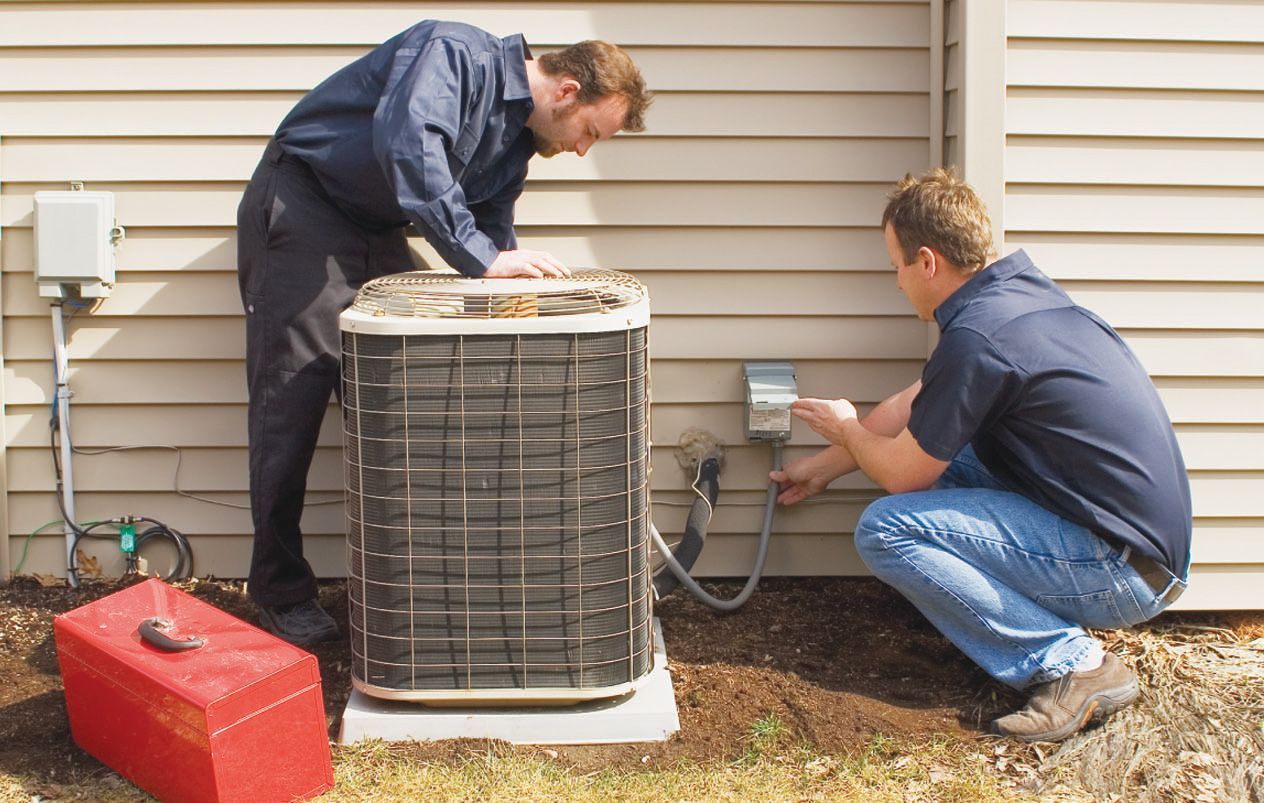
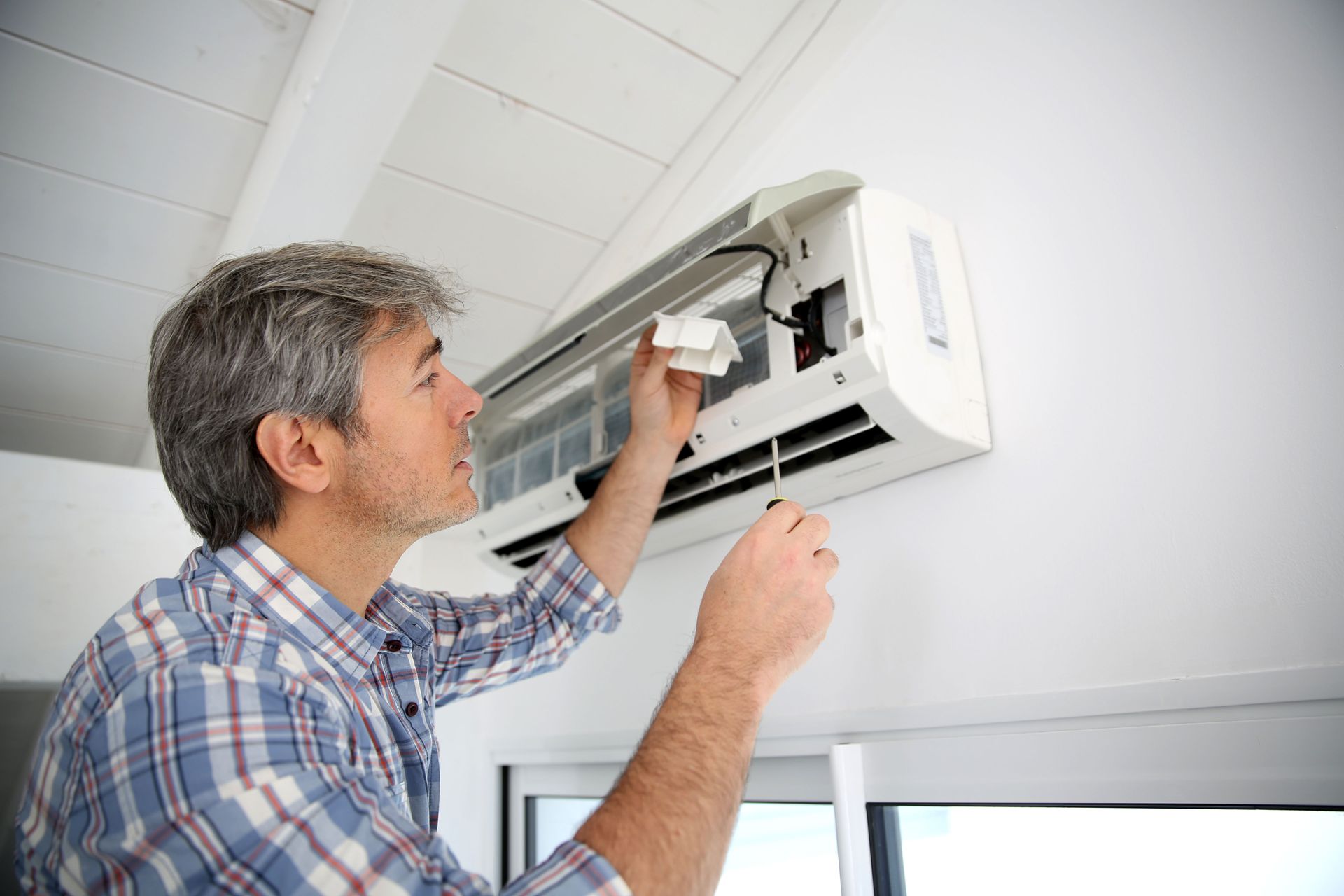
Regular HVAC maintenance from a professional heating and AC service is crucial to ensure your heating and cooling systems operate efficiently. This includes replacing filters, checking system components, and ensuring ductwork is clean and unobstructed. Timely maintenance not only extends the lifespan of the equipment but also maintains its energy efficiency. When systems run smoothly, they require less energy to maintain desired temperatures, which leads to cost savings. Additionally, using ceiling fans in conjunction with HVAC systems helps circulate air, improving the efficiency of heating and cooling efforts.
Sealing ductwork is an often-overlooked measure that can significantly impact energy efficiency. Leaky ducts can result in a significant amount of energy being wasted. By sealing ductwork with a heating and AC service, you ensure that conditioned air reaches its intended destination without loss. Moreover, effective window treatments, such as thermal curtains or blinds, can block unwanted heat from entering or keep warmth from escaping during winter. These insulation improvements contribute to maintaining consistent indoor temperatures while reducing the strain on HVAC systems.
3. Enhancing Insulation and Sealing
The foundation of any energy-efficient home is proper insulation and sealing. Inspecting and upgrading attic insulation can dramatically reduce heat loss, particularly in older homes. Without adequate insulation, a home can lose a significant amount of its heating and cooling, leading to increased energy use and costs. Proper insulation acts as a barrier, keeping conditioned air in and external temperatures out. By enhancing attic insulation, homeowners can create a more stable and energy-efficient indoor environment.
In addition to attic areas, sealing doors and windows is essential for preventing air leaks. Drafts not only compromise comfort but also lead to energy losses that increase utility bills. Simple techniques such as caulking and using weatherstripping materials can create tight seals around openings. Insulating walls and floors can further enhance a home's ability to retain desired temperatures. While it might require an upfront investment, the long-term savings in energy costs make it a worthwhile endeavor.
Weatherstripping is an effective and economical method of sealing gaps around windows and doors, enhancing insulation. By addressing these small but impactful areas, homeowners can prevent unwanted heat entry and loss. Additionally, insulating pipes and water heaters ensures that hot water remains hot, reducing the energy required to maintain desired temperatures. These techniques are simple to implement yet provide substantial long-term benefits in terms of efficiency and cost savings. Overall, enhanced insulation and sealing are critical components in the quest for a more energy-efficient home.
4. Energy-Efficient Appliances
Energy-efficient appliances are pivotal in reducing overall household energy consumption. When purchasing new appliances, opting for Energy Star-rated options is essential. These appliances are designed to consume less energy while maintaining performance. For instance, Energy Star refrigerators use about 15% less energy than non-rated models, contributing to significant reductions in household energy usage. Upgrading to energy-efficient appliances is an investment that pays off in the form of lower utility bills over time.
Optimizing appliance usage is another key factor in improving energy efficiency. This involves operating dishwashers and washing machines with full loads, enabling them to function efficiently. Additionally, adjusting refrigerator and freezer settings to their energy-efficient levels can further minimize electricity usage. Regular cleaning and maintenance of appliances ensure that they continue to operate at peak efficiency. Keeping filters and coils clean, for instance, helps refrigeration units and HVAC systems run more efficiently.
5. Water Conservation and Heating
Water conservation, paired with energy-efficient heating solutions, plays an essential role in sustainable home management. Installing low-flow fixtures, such as showerheads and faucets, can significantly reduce water use without sacrificing performance. These devices help conserve water and reduce the energy required to heat it, positively impacting both water and energy bills. Integrating such solutions is an effective way to reduce environmental impact while maintaining comfort.
Promptly fixing leaks can prevent significant water and energy waste. Even minor leaks can lead to substantial water loss over time and require additional energy to reheat replaced water in the system. Regularly inspecting and insulating water heater tanks can also improve heating efficiency. Similarly, insulating water pipes helps to retain heat more effectively, so you spend less energy reheating water. Collectively, these water conservation and heating strategies help to control energy expenses and support a sustainable lifestyle.
6. Renewable Energy Implementations
Renewable energy sources offer compelling opportunities for enhancing energy efficiency at home. Installing solar panels with the help of a solar and AC service is one of the most popular and effective ways to harness renewable energy. Solar panels convert sunlight into electricity that can be used to power household devices, significantly reducing reliance on non-renewable energy sources. Additionally, the long-term financial savings from reduced utility bills make solar panels an attractive investment. Exploring these renewable options remains imperative for achieving maximum energy efficiency.
Complementing renewable energy solutions with battery storage systems offers a comprehensive approach to energy management. These systems store excess energy generated by solar panels for use during periods of low production. By integrating battery storage, homeowners maximize their renewable energy utilization and minimize dependency on conventional energy sources. Conducting home energy audits helps identify opportunities for incorporating renewable energy solutions effectively. Embracing both renewable energy and energy efficiency initiatives, homeowners can create a sustainable and cost-efficient environment.
The quest for maximizing energy efficiency at home brings numerous benefits, ranging from financial savings to environmental sustainability. By exploring and implementing these strategies, you can significantly enhance your energy efficiency, improve comfort, and reduce overall costs. To learn more, reach out to the experts at CSM Heating Cooling Roofing & Solar today!