Choosing the right air conditioning (AC) system for your home is crucial, both for comfort and energy efficiency. This decision involves understanding your home's unique requirements and navigating through various options. This comprehensive guide aims to empower you with the knowledge needed to select the perfect AC installation tailored to your household's needs, ensuring you make an informed investment.
Understanding Your Home’s Cooling Needs
Evaluate Home Size and Layout
The size and layout of your home significantly impact the efficiency of an air conditioning system. Larger homes may require more powerful systems, such as central air conditioners, to ensure complete coverage. In contrast, smaller homes or apartments might benefit from more compact systems like window or portable air conditioners. It is essential to take accurate measurements and consider the layout of rooms to optimize cooling. Seeking a professional assessment can help determine the specific cooling capacity needed for each area of your home.
Central air conditioning systems are particularly suitable for larger homes with existing ductwork. Modern systems come with features that cater to energy efficiency and improved performance, making them a viable option for most households. However, it’s critical to ensure that the existing ductwork is properly insulated and well-maintained to maximize efficiency.
Assess Insulation Quality
The quality of your home's insulation plays a significant role in maintaining desired indoor temperatures. Poor insulation can lead to heat loss in the winter and heat gain in the summer, putting additional stress on your AC installation. As such, it's crucial to assess and improve insulation where necessary before installing a new system. This can involve adding more insulation to attics, walls, or crawl spaces. Adequate insulation works hand-in-hand with an efficient AC system to maintain comfortable indoor climates without excessive energy use.
Improving insulation can result in significant energy savings and lower utility costs. A well-insulated home maintains a stable temperature, reducing the need for constant air conditioning adjustments. Homes with proper insulation may also have the advantage of reducing the size and cost of the AC system needed. Investing in insulation upgrades before installing a new AC system is a strategic approach to enhance overall system efficiency and longevity.
Consider Occupancy Levels
Your home's occupancy levels are a pivotal factor in determining its cooling needs. More occupants generate more heat, potentially increasing the demand on your AC system. Identifying high-use areas where people congregate can guide you in choosing an appropriately sized unit. For homes with fluctuating occupancy, such as during holidays or gatherings, flexibility in your cooling strategy may be required. Adaptive systems with zoning capabilities can provide precise control over different areas, enhancing comfort while conserving energy.
It's also important to account for the daily routines and habits of current occupants. For instance, if certain rooms are used more frequently during specific times of day, this should be factored into your cooling strategy. Intelligent AC systems with programmable thermostats or smart home integration can automatically adjust temperatures based on occupancy patterns. This ensures efficient energy use and tailored comfort based on real-life usage.
Types of Air Conditioning Systems
Central Air Conditioning
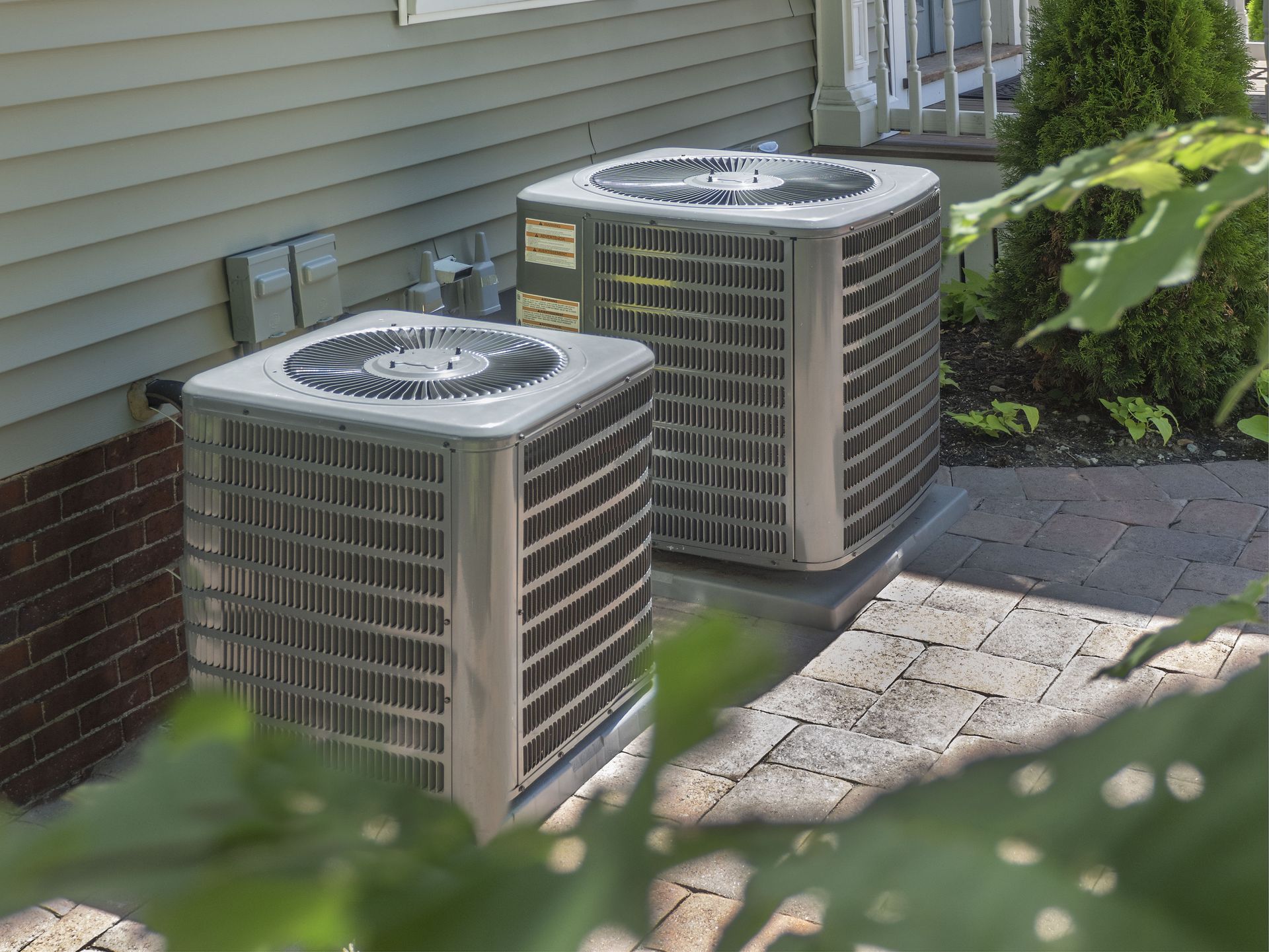
Central air conditioning is an ideal choice for homes with existing ductwork, offering uniform cooling across large spaces. This system comprises an outdoor compressor and a network of ducts that distribute air throughout your home. The efficacy of central air systems is largely dependent on the quality of existing ductwork and insulation. With central air conditioners being a popular choice, as according to a U.S. EPA report, these systems are present in over 53% of U.S. households, upgrading or maintaining ductwork ensures optimal system performance. Selecting a system with a high SEER (Seasonal Energy Efficiency Ratio) rating can further enhance energy efficiency.
Central air systems provide the added benefit of combining with heating systems, offering a comprehensive HVAC solution. Integration with smart thermostats allows for greater control over scheduling and temperature settings, optimizing efficiency. While initial AC installation costs can be substantial, the long-term benefits of consistent home temperatures and energy efficiency often outweigh upfront expenses. AC Installation by experienced professionals is crucial to ensuring proper system setup, avoiding common pitfalls such as inadequate airflow or poor energy management.
In exploring central air options, consider the importance of a system tailored to your specific needs. Units that are too small may struggle to cool effectively, while overly large units can lead to inefficient cycling and increased energy bills. Working with HVAC experts to size a central air system for your home guarantees effective cooling and maximum efficiency. With advances in technology, central systems now offer whisper-quiet operation and minimal disruption, contributing to a comfortable home atmosphere.
Window Units
Window air conditioning units are an accessible and cost-effective option for cooling single rooms or small areas. These self-contained units are easy to install and require minimal modifications to existing structures, making them ideal for renters or those seeking temporary solutions. Window units efficiently provide direct cooling and are well-suited to homes with a mix of cooling needs across different rooms. Energy-efficient models come with digital thermostats and energy-saving modes, enhancing convenience and operational cost-effectiveness.
Despite their simplicity, window units offer a range of features that cater to different preferences. Models with programmable timers, remote controls, and adjustable fans provide a customizable cooling experience. For those keen on aesthetics, some models come with sleek designs and quieter operation, blending more seamlessly with home décor. It's essential to ensure proper AC installation to prevent air leaks, as an improper fit can lead to reduced efficiency and increased energy consumption.
However, window units are typically less efficient than other systems regarding whole-home cooling. Their localized effect can lead to uneven temperature distribution throughout the house. Frequent maintenance, including filter cleaning and seasonal checks, is essential to maintain performance and extend the unit's lifespan. When used selectively in conjunction with other cooling strategies, window units can be a valuable component of a diversified cooling plan.
Ductless Mini-Splits
Ductless mini-split systems offer a flexible and efficient solution for homes without existing ductwork. These systems consist of discrete indoor units connected to an outdoor compressor, providing targeted cooling to specific areas. They are particularly useful in homes with additions or renovations, where extending ductwork might be impractical or expensive. Mini-splits offer the benefit of zoned cooling, allowing users to independently control the climate in different rooms, increasing comfort and energy savings.
Mini-splits are known for their quiet operation and compact design, which blend seamlessly into any home environment. Their versatility in placement — on walls, ceilings, or floors — makes them suitable for varied architectural layouts. With improved inverter technology, ductless systems are lauded for their energy efficiency and ability to quickly reach and maintain desired temperatures. The absence of ducts reduces potential energy loss, emphasizing direct cooling efficiency and further minimizing energy costs.
Selecting the ideal air conditioning system is a balancing act between your home’s architectural realities and your family’s comfort preferences. As we have explored, the process begins long before looking at specific models; it starts with a thorough evaluation of your home’s size, occupancy patterns, and insulation quality.
Ultimately, an informed AC installation pays dividends in the form of lower utility bills, improved indoor air quality, and a more sustainable lifestyle. While the variety of technical specifications and SEER ratings may seem daunting, focusing on a system that scales to your specific needs will yield the best long-term results. By combining professional guidance with the insights provided in this guide, you can transform your living space into a cool, energy-efficient sanctuary that stands up to the most demanding summer heat. To get started on installing your new AC system, reach out to CSM Heating Cooling Roofing & Solar today.