September 18, 2026
A robust and well-maintained roofing system is crucial for the protection and longevity of any building. While many homeowners wait until leaks develop to address roofing issues, this reactive approach can lead to significant and costly damage. Understanding the early signs of roofing system failure is essential to engaging in timely repairs and preventing roof leaks. Beyond the evident financial savings, maintaining a healthy roof enhances the aesthetic value of a property. Homebuyers tend to view the condition of a roof as a reflection of the property's overall health, making it a vital consideration for those looking to sell. By recognizing the signs of roofing system failure early, you can ensure the longevity and safety of your home.
Identify the Early Signs of Roof Leaks
One of the most telltale signs of a roof leak is the presence of moisture marks or water stains on your ceilings or walls. These stains usually have a brownish tint and can gradually grow in size if left untreated. Such marks often indicate that water is seeping through the roofing material, potentially causing damage to the internal structures of your home. Addressing the source quickly can help limit the spread of moisture and protect surrounding materials.
The presence of mold or mildew is another critical indicator of a possible roof leak. Mold thrives in damp places and can compromise air quality, posing health risks to inhabitants. If you notice a musty smell in your attic or upper floors, it might be due to moisture accumulation from a leaking roof. Prompt investigation and mitigation can prevent additional health complications and structural harm. Early action can also help keep moisture from spreading to other areas of the home.
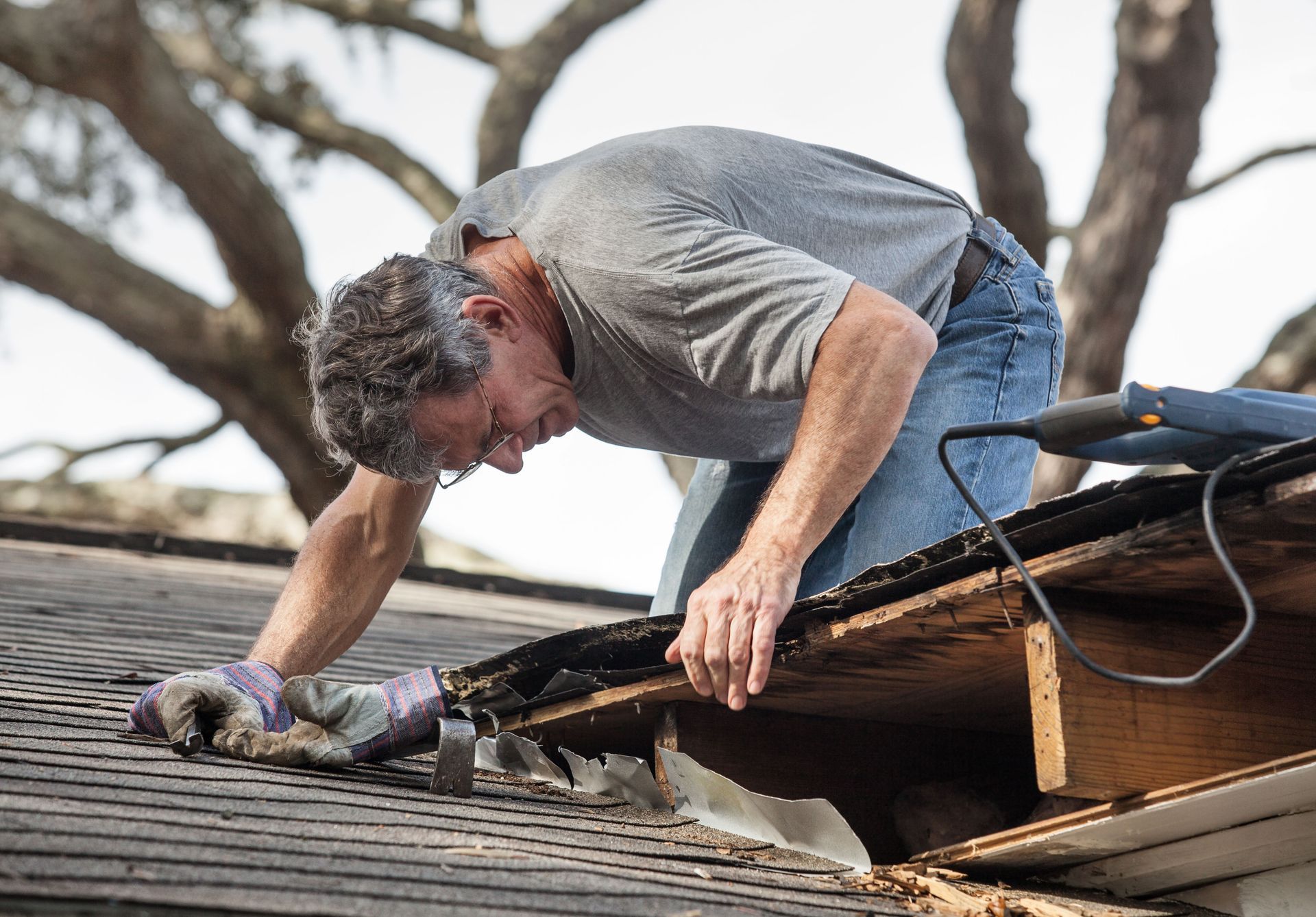
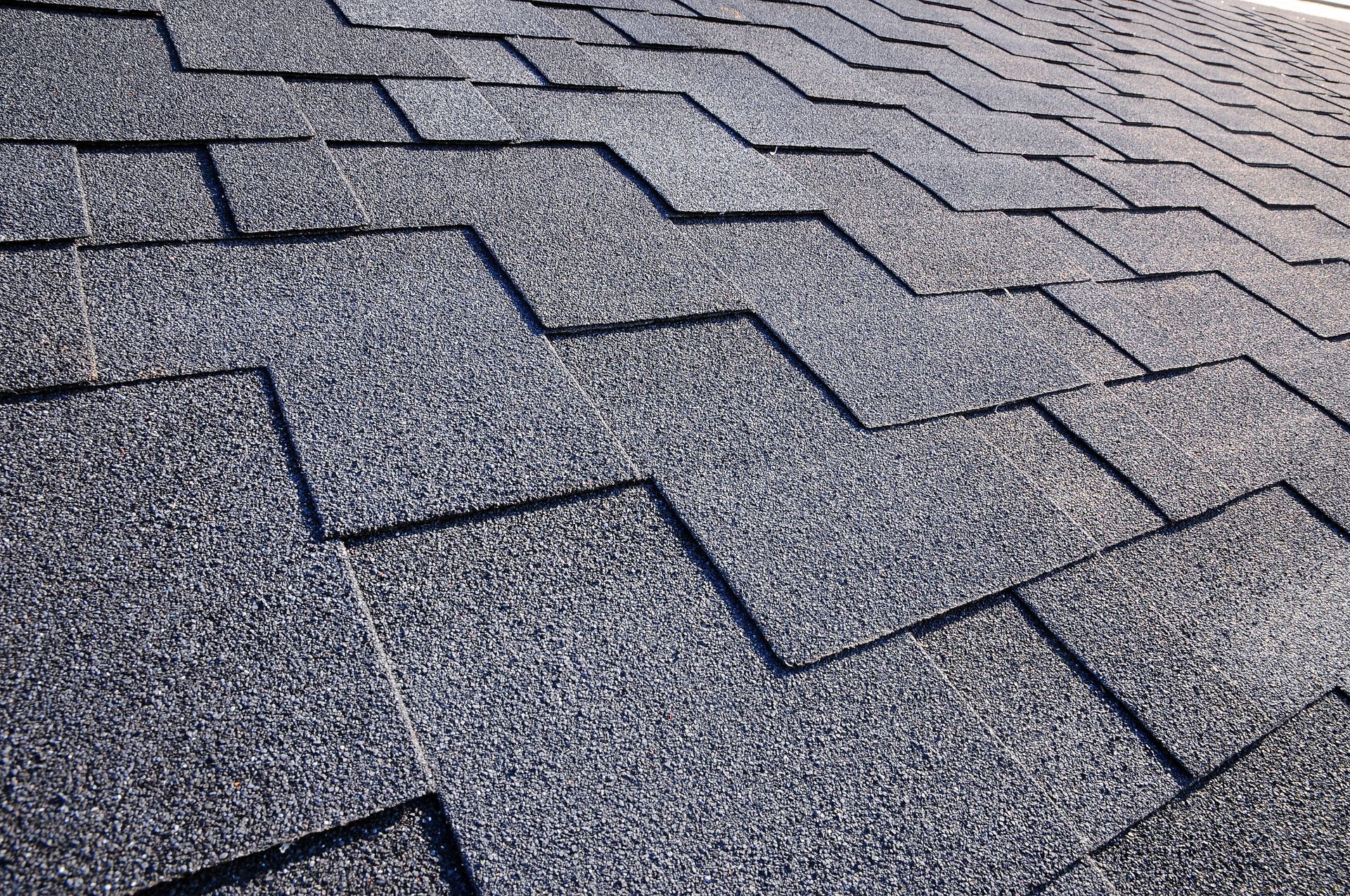
From time to time, conducting a closer look at your roofing system might reveal missing or damaged shingles. Missing shingles create gaps that allow water to penetrate, while damaged ones could be curling, cracking, or completely worn away, all potentially leading to a roof leak. Addressing these issues prior to substantial precipitation can mitigate more extensive problems in the future. Regular visual checks can make it easier to spot these problems before they worsen.
Watch for Visible Signs of Roof Failure
One common sign of potential roof failure is granule loss. Asphalt shingles, a popular roofing material, are topped with granules that protect the material from UV rays and weather conditions. If you begin to see an accumulation of these granules in your gutters, it could indicate that your shingles have reached the end of their lifespan.
Sagging rooflines can be a cause for concern and might demonstrate that your roof is failing internally. Factors such as water damage or a weakened support system can lead to this warping effect, necessitating immediate inspection and potentially large-scale repairs. If not addressed, a sagging roofline can eventually lead to full roof collapse, highlighting the significance of early detection in preventing roof leaks. A professional inspection can help determine the severity of the problem and the appropriate next steps.
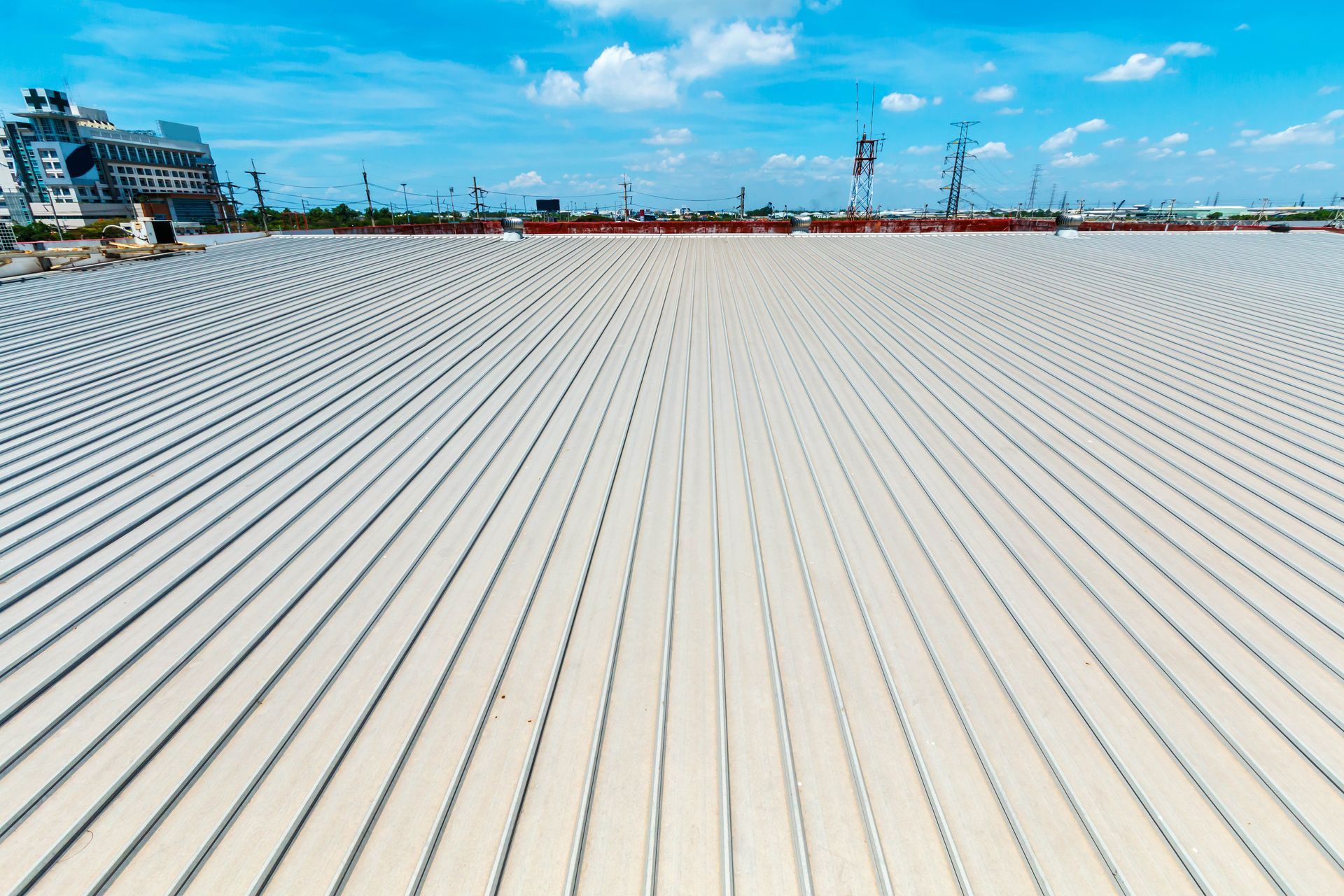
Additionally, take note of any natural light peeking through your attic's ceiling. This is a strong indicator that your roof deck has holes or defects allowing elements to penetrate. According to This Old House, metal roofing is the number two material for both residential and commercial roofs. However, while metal roofing's popularity is on the rise, such issues are still pertinent across various materials, from metal to asphalt to wood shakes. Finding these openings early can help prevent rain, snow, and debris from entering your attic.
Understand What Causes Roofing Problems
Weather conditions play a significant role in roofing vulnerabilities. Heavy rainfall, strong winds, and extreme temperatures can wear down roofing materials over time, making them more susceptible to leaks. In areas prone to severe weather patterns, consistent inspections after storms are crucial for spotting potential damage. Promptly addressing storm-related damage can help preserve the roof's protective capabilities.
Poor installation can also be a primary cause of a roof leak. If a roof isn't installed correctly, even the highest-quality materials can fail prematurely. Ensuring professionals handle both installation and repairs can safeguard against this oversight, effectively prolonging the roof’s lifespan. Proper workmanship is an important part of ensuring that roofing materials perform as intended.
Additionally, a lack of routine maintenance can exacerbate natural wear and tear. When homeowners overlook scheduled roof inspections, minor issues can develop into major problems that necessitate expensive repairs. Maintaining a periodic evaluation schedule ensures potential issues are identified and addressed before they evolve into pervasive leaks. Consistent maintenance can also help homeowners better understand the condition and remaining lifespan of their roofing system.
Prevent Roof Damage With Regular Maintenance
Regular inspections and maintenance are vital to preventing roof leaks. Homeowners should schedule these evaluations at least twice a year, with additional inspections after severe weather events. During these checks, issues such as damaged shingles, clogged gutters, or flashings in need of repair can be promptly addressed. Keeping a record of inspections and repairs can also help track the roof's condition over time.
Implementing quality ventilation systems can also prevent moisture build-up in the attic, which can contribute to leaks. Proper ventilation allows for air circulation, reducing the risk of condensation and subsequent damage to the roofing material. This is particularly important for regions with high humidity levels. Adequate airflow can also help regulate attic temperatures and support the overall performance of the roof.
Cutting overhanging branches and ensuring trees are well-distanced from the house can prevent damage caused by falling debris. Furthermore, it reduces the risk of moss or algae growth which can trap moisture, thereby weakening the roofing materials. Prevention strategies extend the life of a roof by averting potential conditions that could lead to leaks. Keeping nearby vegetation maintained is a simple way to reduce several common roofing risks.
Determine When to Replace Your Roof
While repairs can mend some issues, extensive damage might necessitate a full roof replacement. If your roof is over 20 years old, it may be time for an upgrade, as materials wear down significantly past this point. Signs such as widespread shingle damage or multiple roof leaks suggest the time for a replacement has come. A professional roofing assessment can help determine whether replacement is more practical than continued repairs.
Considering energy efficiency is another factor motivating replacement. Older roofs may not offer the insulation and energy-saving benefits of newer, improved materials available in the market today, including popular options like metal roofing. Transitioning to a more efficient roofing system can translate to lower heating and cooling costs, offering savings over time. Homeowners can discuss available materials and efficiency features with a roofing professional before choosing a replacement.
Lastly, visible daylight through the roof boards or major sagging areas indicates the structural integrity is compromised beyond simple repairs. Immediate attention is required in these cases to prevent potential safety risks. Professional assessment can determine whether extensive repairs are sufficient or a full replacement is necessary to prevent recurrent roof leaks. Acting quickly can help minimize further structural damage and protect the occupants of the property.
Recognizing the early signs of roofing failure is paramount in preventing costly repairs and prolonging the life of your roofing system. Engaging in preventive maintenance and regular inspections can significantly reduce the chances of developing leaks. By staying vigilant and addressing issues promptly, homeowners can avoid the adverse effects and financial burdens associated with roof damage. As roofs are integral to a building's integrity, prioritizing their maintenance safeguards against unforeseeable issues. Taking a proactive approach can provide greater peace of mind and help protect your investment for years to come. Reach out to CSM Heating Cooling & Roofing to learn more about our services today.