Embarking on a commercial roofing project requires diligence and informed decision-making. The infrastructure and integrity of your commercial space depend significantly on the quality of the roof, making it important to choose the right roofer. It is crucial to ask pertinent questions that help assess a roofer's experience, reliability, and service quality. Inquiring systematically can unveil critical insights into your prospective roofer's methods and practices. In this article, we will explore key questions to ask a commercial roofer that will aid you in navigating the process and ensure a successful roofing experience.
1. Experience and Credentials
How long have you been in the commercial roofing industry?
When assessing any roofer, their experience is perhaps one of the most telling aspects of their capability. A roofer with many years of experience likely possesses comprehensive knowledge of various roofing systems, materials, and potential issues that can arise. This background not only provides confidence but also assures clients that they are dealing with seasoned professionals. It is critical to inquire about their longevity in the industry and specific experience with commercial properties. The insights from such inquiries can inform whether a roofer has the technical acumen and adaptability necessary for your project.
What certifications or licenses do your company and workers hold?
The commercial roofing industry often has strict guidelines and standards that operators must adhere to. Therefore, possessing the necessary certifications and licenses is paramount. These credentials not only affirm a roofer's compliance with local laws and regulations but also often signify a commitment to professionalism and continuous learning. Certification can provide peace of mind that the roofer is up to date with the latest roofing technologies and safety measures. Confirming this information can significantly reduce risks associated with your project and ensure that your roofer meets industry benchmarks.
2. Types of Roofing Systems Offered
What types of roofing systems do you specialize in?
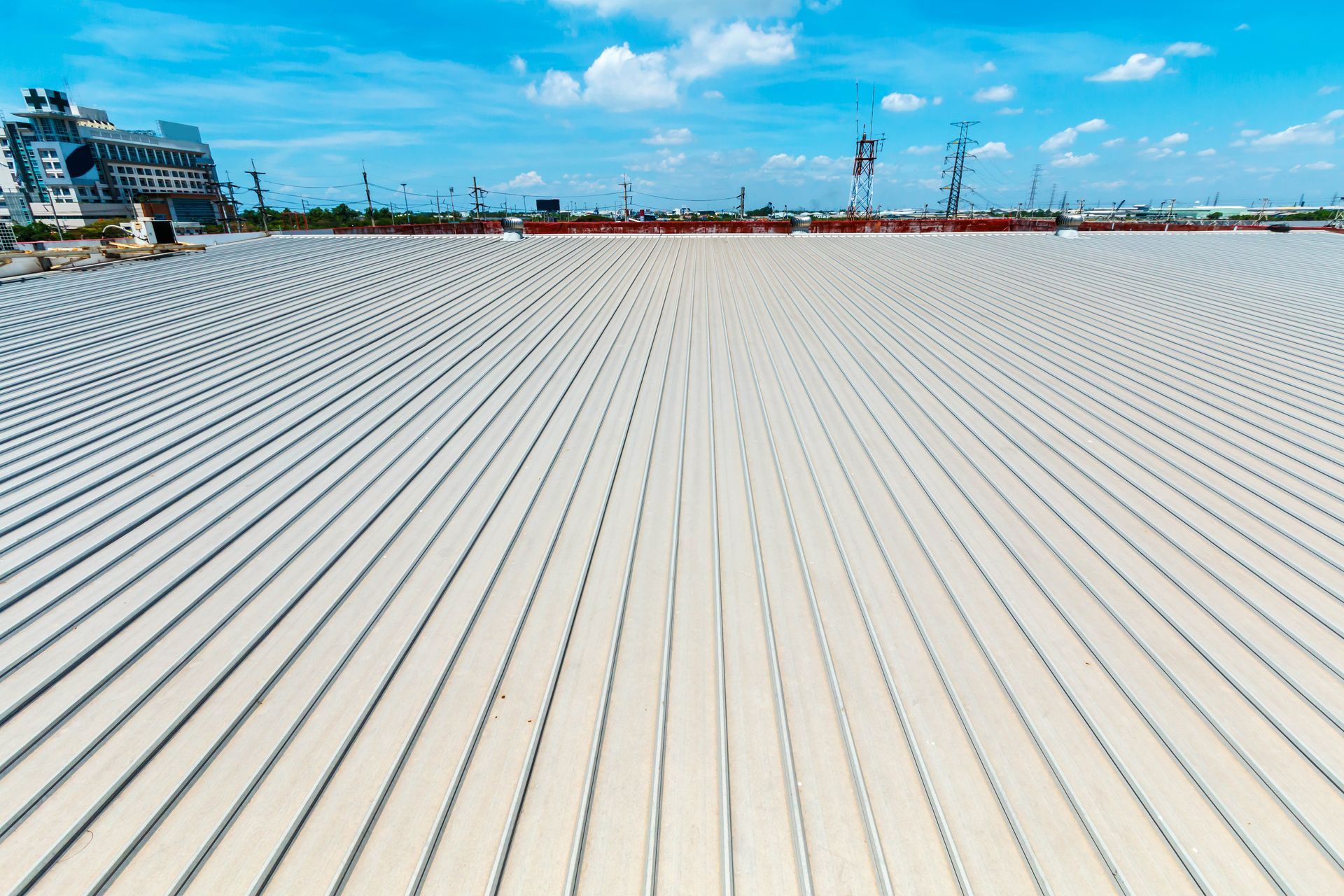
Understanding the range of roofing systems that a contractor specializes in is fundamental when selecting the right roofer. Each roofing system has its unique benefits and constraints that may make it more or less suitable for your specific needs. Common options include flat roofs, metal roofs, green roofs, and TPO systems. According to This Old House, metal roofing is the second-most popular material for both residential and commercial roofs, indicating its advantageous properties like durability and energy efficiency. Inquiring about their expertise in specific systems helps ensure tailored solutions that fit your architectural and financial goals.
How do you determine the best roofing system for a commercial property?
The decision-making process for choosing a roofing system should be a collaborative effort between the client and the roofer. Experienced roofers will consider several crucial factors such as the building's architecture, climate conditions, intended roof use, and budget. An expert's guidance can prevent expensive mistakes and optimize the roof's performance over time. The ability of a roofer to effectively gather and analyze this data reflects their professionalism and dedication to custom solutions. Choosing the correct roofing system can enhance energy efficiency and lower maintenance costs tremendously.
3. Project Timeline and Workflow
How do you handle project delays or unexpected circumstances?
Unexpected delays, whether due to inclement weather or supply chain issues, can occur despite meticulous planning. A roofer's capacity to adapt to unforeseen challenges is crucial to maintaining project continuity. Competent professionals should have contingency plans that limit project disruption while ensuring quality and safety. Understanding their approach to delays reflects their preparedness and problem-solving skills. This foresight can alleviate client concerns and sustain project momentum irrespective of environmental or logistical hurdles.
What steps are involved in your workflow from start to finish?
A roofer's workflow outlines the structured steps they undertake during a project, indicating a methodical approach to installation or repair. This typically includes initial consultation, site assessment, detailed design proposals, acquiring permits, and meticulous installation. Complete transparency in these phases assures clients of the roofer's professionalism and comprehensive service offering. An efficient workflow, honed through experience, minimizes bottlenecks and fosters timely project completion. In addition, a streamlined process may lower costs by improving worker efficiency and minimizing material wastage.
4. Safety Protocols and Insurance
What safety measures do you implement during roofing projects?
Safety is a paramount concern on any construction site, and roofing is no exception. Appropriate safety protocols protect the workers, clients, and the structural integrity of the building. Inquiring about a roofer's safety measures, such as fall protections, equipment maintenance, and OSHA compliance, reflects their commitment to a secure work environment. Safety-conscious roofers tend to cultivate professional reputations and decrease liability risks. Knowing the roofer prioritizes workplace safety is reassuring and indicative of their regard for industry standards.
How do you ensure the safety of your crew and customers?
A safety-oriented roofer implements extensive training and supervision for their crew to manage risks effectively. Routine safety meetings, clear communication, and emergency readiness play a fundamental part in achieving this. Additionally, maintaining a safe perimeter around the construction zone prevents harm to clients and onlookers. This thorough approach minimizes accidents and fosters trust between the roofer and client. Understanding these measures ensures that both worker and client considerations are addressed proactively.
What type of insurance coverage does your company carry?
Insurance protects both the roofing company and the client from financial liabilities arising from accidents or damage during the project. Comprehensive coverage should typically encompass worker's compensation insurance, liability insurance, and property damage. This ensures that financial and legal implications do not burden the client in the event of unfortunate occurrences. Confirming insurance details with the roofer verifies their accountability and reliable business practices. It is crucial that all coverage is current and adequate for the scale and scope of your specific project.
5. Warranties and Maintenance
What warranties do you offer on labor and materials?
Warranties are a testament to a roofer's confidence in their workmanship and the quality of materials utilized. They serve as assurance that should any faults arise from installation or defects in materials, you will be shielded from costs involved in repairs or replacements. Typically, warranties can cover a range of durations, from a few years to decades, depending on the materials and workmanship. A reputable roofer will explain the nuances of these warranties and any associated conditions. Comprehensive warranties signify a roofer's commitment to client satisfaction and high standards.
How do you handle warranty claims and repairs?
In the event of a claim, it is important to understand how your roofer addresses and rectifies warranty issues. A structured, efficient process for handling claims reflects the roofer's responsibility and dedication to customer service. This includes timely assessments, effective communication, and prompt corrective action. Knowing their policies around claims ensures transparency and diminished ambiguity should problems arise. Reliability in post-installation support is a mark of excellent customer care, preserving trust and satisfaction.
Do you offer regular maintenance services post-installation?
Maintenance is pivotal to maximizing the longevity and performance of any roofing system. Some roofers provide ongoing maintenance services to inspect, clean, and repair the roof routinely, preventing minor issues from escalating. Regular maintenance can highlight early signs of wear or damage, extending the roof's lifespan by addressing problems preemptively. Inquiring about these services reveals the roofer's commitment to long-term solutions and customer engagement. Maintenance packages tailored to your roofing system ensure optimal functionality and provide peace of mind.
Choosing the right
commercial roofer can significantly impact the quality and lifespan of your roofing system. Asking the outlined key questions to rigorously vet potential contractors helps you ascertain their competence, reliability, and professional ethos. This careful evaluation is crucial not only for ensuring the success of your roof installation or repair but also in safeguarding your investment in your property's future. By thoroughly investigating each aspect of their offered services, you stand to attain a resilient, cost-effective, and long-lasting roofing solution. It's a strategic step toward fortifying your commercial property's infrastructure and ensuring peace of mind. Reach out to CSM Heating Cooling & Roofing today to get satisfactory, reliable answers to all of your roofing questions!