Keeping a sturdy shield over your living space ranks as a top priority for any homeowner. Weather patterns shift throughout the seasons, bringing driving rain, heavy snow, and blistering summer heat. Traditional asphalt shingles often struggle against these elements, eventually cracking or losing their protective granules over time. When your overhead barrier begins to fail, water sneaks into the attic and wreaks havoc on interior drywall. Stepping away from temporary fixes and investing in metal roofing delivers a permanent solution that stands up to severe weather year after year.
Homeowners today seek building materials that provide lasting value and immediate aesthetic upgrades. Steel panels offer a sleek appearance that instantly refreshes the exterior look of any residential property. These panels lock together to form a watertight shield that sheds precipitation effortlessly. When you choose a resilient material for your home exterior, you eliminate the worry of replacing blown-off shingles after strong windstorms.
Understanding the Materials Used in Panel Construction
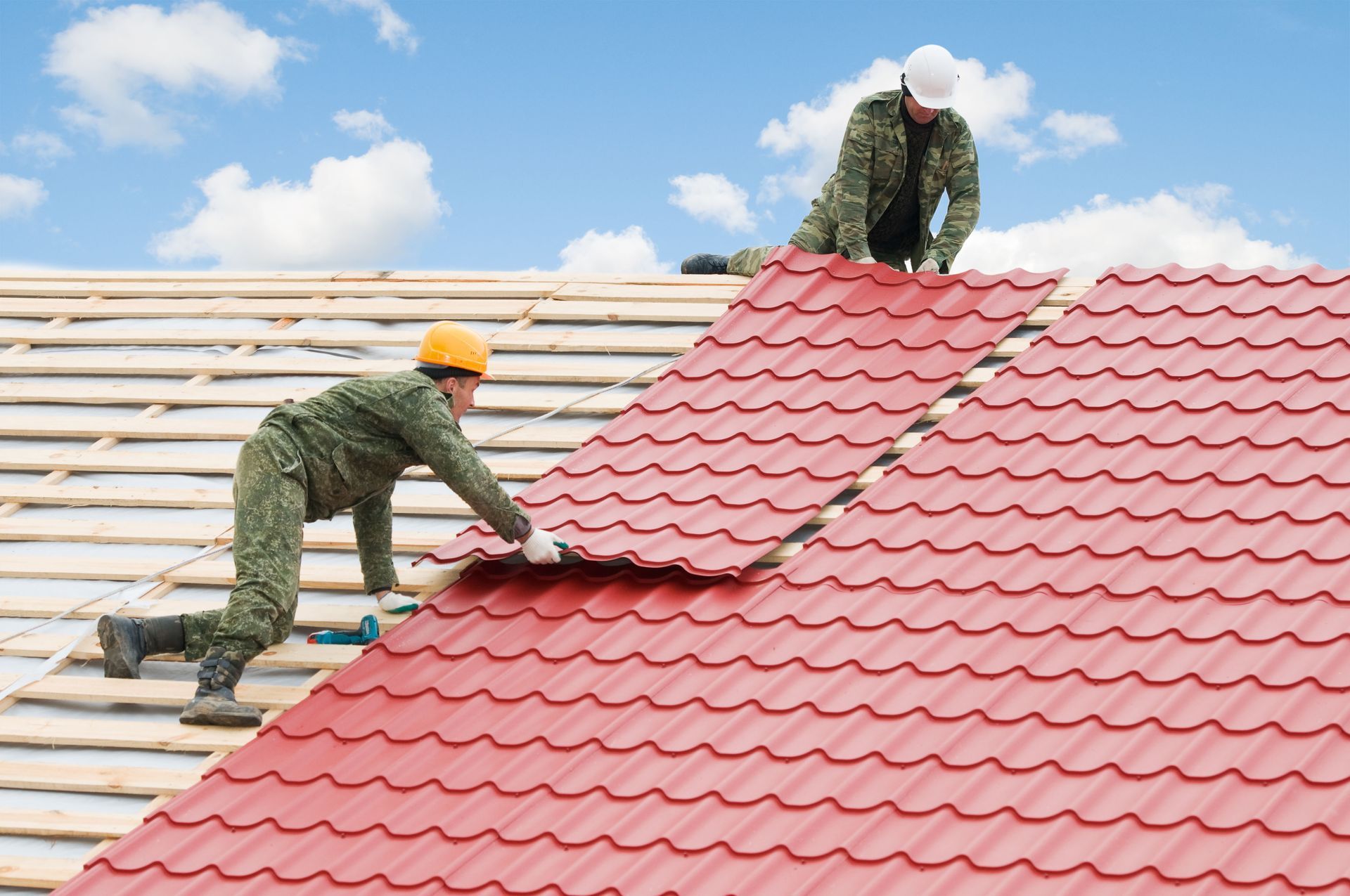
Steel remains a popular choice for residential roofing due to its incredible strength and rigidity. During manufacturing, flat sheets of steel are stamped and rolled into interlocking panels that resist impact damage from falling branches. Manufacturers apply protective zinc coatings to the raw steel, creating a formidable barrier against moisture and preventing rust from developing over time. The interlocking design ensures that wind cannot lift the edges of the panels, keeping the entire system securely anchored to the roof deck. Investing in metal roofing provides a robust defense system that easily outlasts standard asphalt materials.
Utilizing Aluminum for Coastal Climates
Properties located near saltwater require materials that can resist corrosive ocean air. Aluminum panels offer incredible resistance to salt spray, making them the preferred choice for coastal construction. Because aluminum naturally resists rust without requiring heavy zinc coatings, it remains pristine even when exposed to harsh breezes.
Aluminum is also incredibly lightweight, which places less stress on the underlying structural supports of the house. Combining lightweight properties with extreme corrosion resistance makes aluminum an outstanding option for specific regional climates.
Comparing Long-Term Performance Against Traditional Materials
Asphalt shingles deteriorate rapidly when exposed to drastic temperature swings and intense sunlight. The petroleum-based materials dry out, become brittle, and eventually crack under physical stress. By contrast, metal roofing shrugs off temperature changes without losing its structural integrity. The interlocking panels expand and contract smoothly, preventing cracks from forming along the seams.
During winter months, snow slides easily off the smooth surface of the panels, preventing heavy accumulation that could threaten the structural framing. When heavy rains arrive, the streamlined profile channels water swiftly into the gutters, leaving no opportunity for moisture to pool beneath the surface. This superior weather resistance makes steel and aluminum panels a brilliant investment for protecting your family.
Preventing Fire Hazards and Pests
Traditional wood shakes and petroleum-based shingles present significant fire risks, especially in dry climates prone to wildfires. Airborne embers can easily ignite a wooden roof, spreading flames rapidly across the structure. Steel and aluminum panels are entirely non-combustible, providing a critical layer of defense against external fire hazards. In addition to fire resistance, steel panels offer no nourishment or nesting material for destructive pests. Termites and rodents cannot chew through the rigid barriers, keeping unwanted guests out of your attic space.
Gaining Financial Benefits Through Energy Efficiency
Dark asphalt shingles absorb radiant heat, baking the attic space and forcing the air conditioner to run continuously during warm months. Steel and aluminum panels function completely differently, acting like a mirror to bounce the sun's heat away from the house. This reflective quality keeps the attic cooler, preventing heat from radiating down into your living areas.
Lowering the temperature in the attic relieves the heavy workload placed on your cooling equipment. According to This Old House, metal roofing can save you up to 40% in energy costs annually. These ongoing financial savings make the initial investment in premium materials highly rewarding over the lifespan of the home.
Retaining Indoor Warmth During Winter
While steel panels excel at reflecting summer heat, they also play a vital role in maintaining indoor comfort during the winter. When combined with proper attic insulation, the panels create a thermal break that prevents heated indoor air from escaping through the ceiling. Trapping warmth inside the living space keeps your furnace from working overtime on chilly evenings.
Preventing heat loss also stops ice dams from forming along the eaves of the house. Ice dams occur when escaping heat melts snow on the roof, which then freezes again at the colder edges. The smooth, cool surface of steel panels prevents this melting cycle, ensuring that snow sheds naturally and safely away from the foundation.
Evaluating Installation Methods and Preparation
Proper preparation determines the success and longevity of any overhead installation. Before placing new panels, contractors inspect the wooden roof deck for any signs of rot or structural weakness. Repairing damaged plywood ensures that the new barrier has a solid, dependable foundation for attachment. Once the deck is secure, installers roll out a waterproof underlayment across the entire surface. This essential moisture barrier provides a secondary layer of protection against condensation and wind-driven rain.
Securing Panels With Concealed Fasteners
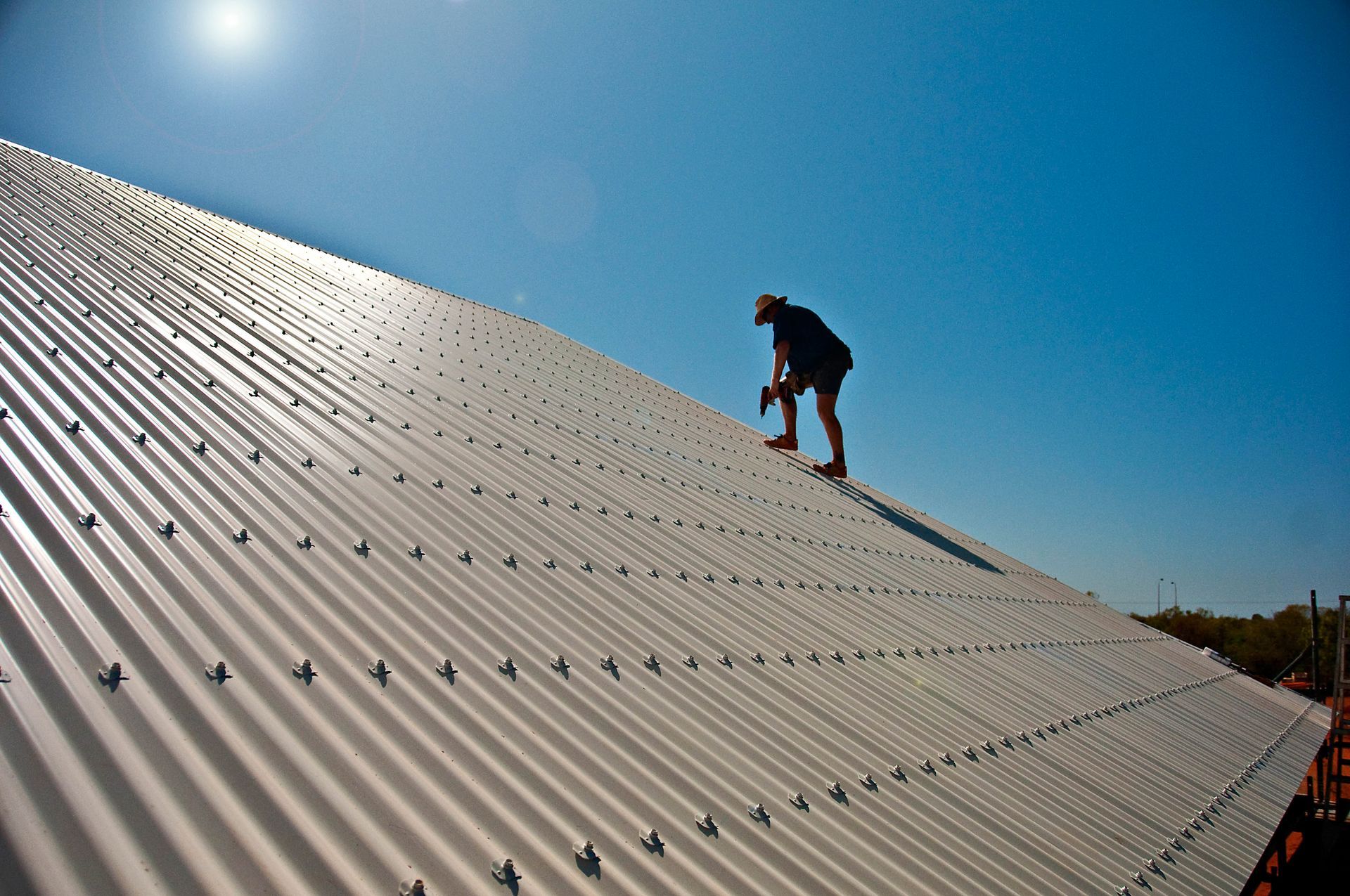
The method used to attach panels greatly influences the overall durability of the system. High-quality metal roofing utilizes concealed fastener systems, where screws are hidden beneath the overlapping seams of the panels. This design protects the fasteners from direct exposure to rain and UV light, preventing rust and preserving the watertight seal. Concealed fasteners also allow the panels to glide smoothly as they expand and contract with temperature changes. This unrestricted movement prevents the metal from buckling or warping over time.
Benefiting From a Lasting Structural Investment
The initial price of steel panels is higher than purchasing basic asphalt shingles, but the long-term financial picture looks vastly different. In our experience, asphalt roofs typically require complete replacement every couple of decades, forcing homeowners to pay for frequent removal services and new materials. Metal roofing breaks this expensive cycle by providing a permanent solution that lasts for generations. Over the lifespan of the home, the durability of steel panels makes them significantly more affordable than temporary asphalt solutions.
Boosting Overall Property Value
Prospective homebuyers recognize the incredible value of a maintenance-free, permanent roof. When a house goes on the market with newly installed steel panels, it immediately stands out from neighboring properties. The crisp, tailored appearance of standing seam panels significantly boosts curb appeal, making a striking first impression. Upgrading your exterior with premium materials delivers a solid return on investment when it comes time to sell your property.
Protecting your home with a permanent, weather-resistant roof is a wise decision for your property. By choosing metal roofing, you eliminate the constant worry of storm damage and frequent repairs. The reflective properties keep your home comfortable while lowering your monthly cooling expenses year after year. Making the switch to a permanent overhead solution delivers lasting peace of mind and undeniable aesthetic charm.
When you are ready to explore the benefits of premium roofing, contact CSM Heating, Cooling & Roofing today. Our experienced team is ready to inspect your property, discuss your design preferences, and provide a flawless installation that protects your home for decades.