November 10, 2026
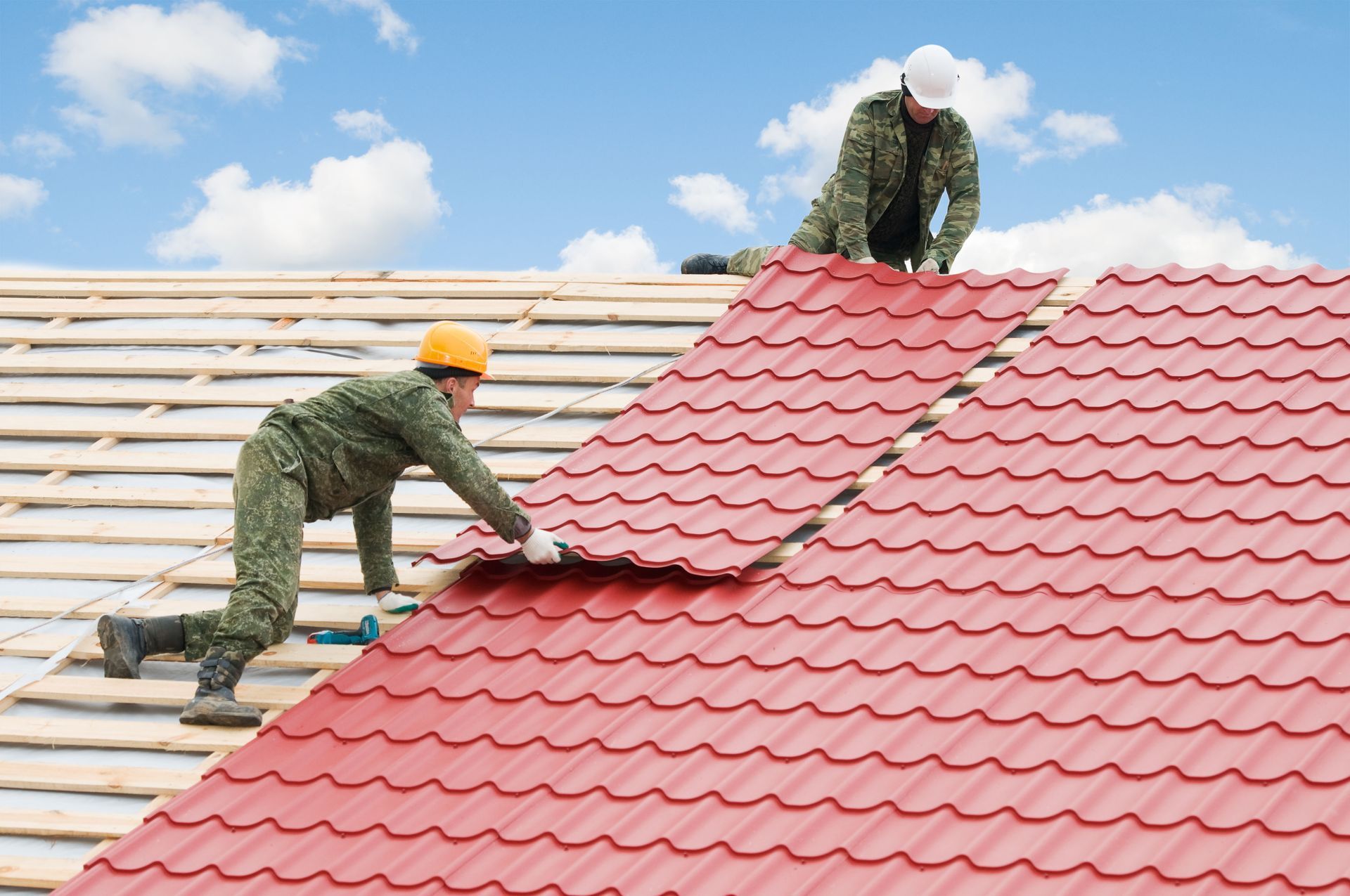
Selecting an architectural metal canopy represents an exceptionally durable, resilient, and forward-thinking investment a homeowner can make to protect a residential property. While conventional asphalt shingles have long dominated neighborhood skylines, property owners increasingly look beyond traditional materials toward standing seam steel panels, aluminum tiles, and copper alloys to achieve unmatched weather defense. Metal surfaces naturally deflect torrential rainstorms, withstand punishing hail impacts, shed heavy snowdrifts effortlessly, and provide an impervious barrier against wildfire sparks. However, the remarkable physical resilience of raw metal sheet coils does not automatically guarantee multi-decade performance on a residential structure. Without certified trade mechanics, rigorous structural preparation, and specialized attachment engineering, even the most expensive metal panels can suffer premature corrosion, wind tear-offs, and chronic moisture leakage. The durability potential of these engineered systems is widely acknowledged throughout the construction sector; indeed, according to This Old House, metal roofing materials like corrugated steel and aluminum shingles can often have a lifespan of up to 50 years. This longevity ceiling highlights why proper mechanical execution during initial assembly dictates the overall return on investment for property owners. Choosing a certified roof installation ensures that every panel seam, flashing joint, and concealed clip operates as an engineered system tailored to withstand local climatic extremes. Understanding metal panel integration empowers homeowners to protect capital, eliminate rot, and secure peace of mind.
Engineering Subfloor Framing and Underlayment Moisture Defense
The foundational lifespan of any exterior metal surface depends entirely upon the structural integrity and environmental preparation of the underlying roof deck. Unlike porous asphalt shingles that tolerate minor subfloor irregularities, rigid metal panels require an exceptionally flat, sound, and continuous timber substrate to prevent oil-canning ripples and fastener strain. Before laying any metal panels, certified installation mechanics meticulously inspect plywood or oriented strand board sheathing, replacing rotted decking sections and checking framing fasteners for structural withdrawal. Over this pristine wooden foundation, mechanics install high-temperature, self-adhering synthetic underlayments specifically engineered to withstand the intense thermal friction generated beneath hot metal sheets. Standard organic felt underlayment quickly turns brittle, bakes, and disintegrates under radiant summer heat, whereas polymer-modified membranes maintain elasticity and seal tightly around fastener penetrations. Furthermore, incorporating textured slip sheets prevents mechanical abrasion during daily temperature swings. Preparing an immaculate deck protects roof rafters from condensation, creating an impenetrable water shield for finished metal profiles.
Accommodating Thermal Movement and Expansion Dynamics
Metal is an intensely reactive physical material that expands under scorching daytime solar exposure and contracts rapidly during cool nighttime drops. If installers rigidly pin long standing seam panels with fixed screws across their entire length, the restricted thermal expansion forces the metal to buckle, causing unsightly visual waviness known in the architectural trade as oil-canning. Over successive seasonal cycles, relentless thermal movement stresses mechanical fasteners, enlarging penetration holes and tearing panel seams away from structural perimeters. Contracting for professional roof installation guarantees that technicians utilize engineered expansion clips that allow metal pans to float freely along concealed tracks without losing structural wind uplift resistance. Skilled mechanics anchor panels securely at upper roof ridges while leaving subtle expansion gaps at lower eaves and valley transitions, ensuring unrestricted movement along longitudinal axes. Calculating exact expansion tolerances based on regional temperature swings eliminates metal fatigue, prevents fastener shearing, and preserves the pristine, mirror-flat profile of modern architectural panels.
Fastening Concealed Clips and Avoiding Exposed Screw Penetrations
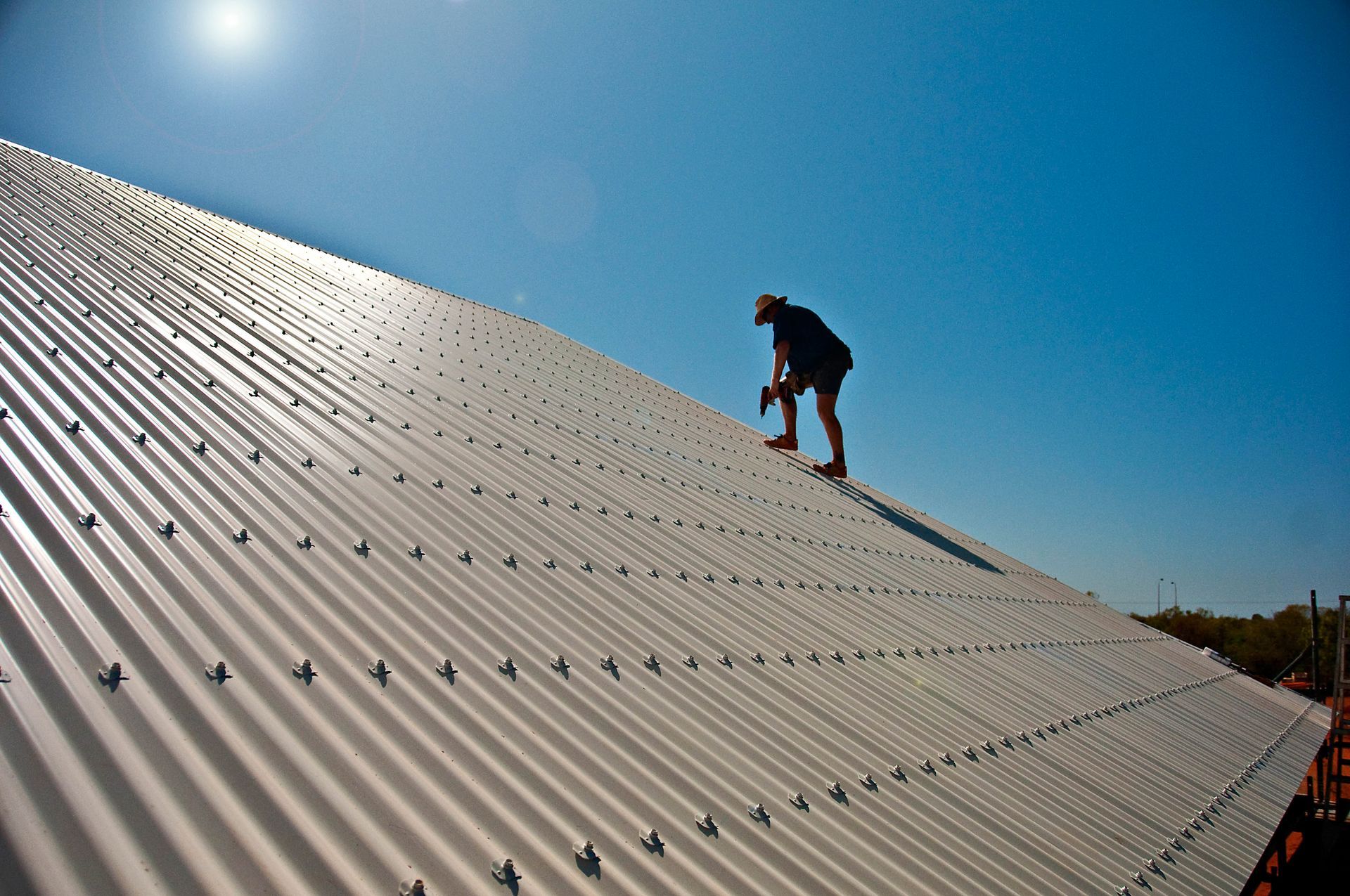
A fundamental structural distinction separating entry-level utility metal roofs from high-performance architectural systems lies in fastener engineering. While agricultural screw-down corrugated panels rely on exposed hex-head screws driven through the face of the metal, architectural standing seam assemblies utilize entirely concealed clip systems secured beneath folded seam ribs. Exposed screws utilize synthetic neoprene rubber sealing washers that inevitably degrade, dry rot, and crack under relentless ultraviolet solar radiation, transforming thousands of screw penetrations into potential leak pathways over time. Scheduling a certified roof installation provides homeowners with modern concealed-fastener engineering, where stainless-steel clips anchor panels to the deck while remaining hidden beneath weather-tight interlocking seams. Because no screws penetrate the exposed exterior face of the metal, rainwater cascades harmlessly over uninterrupted metal surfaces without encountering vulnerable washer seals. Eliminating thousands of exposed puncture holes ensures permanent weather resistance, streamlines exterior aesthetics, and eliminates routine screw replacement maintenance.
Sealing Complex Valleys and Custom Penetration Flashings
The most vulnerable junctions across any residential roof architecture occur where differing planes intersect, valleys funnel heavy water runoff, and plumbing vents penetrate the building envelope. In these high-volume moisture zones, generic off-the-shelf plastic flashing boots and topical silicone sealants provide temporary, unreliable protection that rapidly fails under seasonal weather stress. Engaging seasoned roof installation specialists ensures that all valley liners, chimney transitions, skylight perimeters, and pipe penetrations receive custom-fabricated, heavy-gauge metal flashing tailored on-site with mechanical metal-folding brakes. Master metal smiths utilize double-lock standing seams, hemmed drip edges, and concealed cleats to lock flashing sections mechanically without relying on exposed caulking beads that wash away. Around cylindrical plumbing vent stacks, mechanics install specialized high-temperature silicone or flexible aluminum collars that flex with roof movement while maintaining watertight compression seals. Raised internal water diverter ribs prevent wind-driven torrents from crossing panel seams, directing heavy runoff harmlessly into gutter troughs and eliminating moisture intrusion.
Preventing Galvanic Corrosion and Preserving Protective Coatings
When differing conductive metals come into contact in the presence of an electrolyte such as rainwater or morning dew, an electrochemical reaction known as galvanic corrosion occurs, rapidly eroding the less noble metal. Sourcing inexperienced labor often leads to catastrophic material mismatches, such as using zinc-coated steel screws to fasten copper flashings or resting aluminum panels directly against lead pipe boots. Certified roof installation crews possess rigorous metallurgical training, ensuring that all fasteners, flashing accessories, and structural clips match the exact chemical composition of primary panels or remain isolated using non-conductive synthetic polymer gaskets. Furthermore, certified mechanics handle factory-painted panels with extreme care, utilizing specialized nylon-tipped snips and circular metal-cutting saws rather than high-speed abrasive friction discs that throw hot metal slag across painted surfaces. Protecting factory finishes—such as premium polyvinylidene fluoride coatings that resist solar fading—preserves vibrant color depth, prevents premature rust formation, and maintains manufacturer warranty protections.
Investing in an architectural metal roof represents an enduring commitment to residential structural security, exceptional energy efficiency, and elevated property equity. While raw metal alloys possess remarkable natural durability, achieving their full multi-decade service life requires master craftsmanship, meticulous subfloor preparation, and advanced mechanical engineering. By accommodating daily thermal expansion dynamics, prioritizing concealed clip fastening arrays, crafting custom on-site metal flashings, eliminating galvanic corrosion risks, and partnering with certified trade specialists, homeowners transform raw metal sheets into an impenetrable architectural shield. Bypassing cut-rate contractors in favor of certified installation artisans prevents devastating water leaks, eliminates unsightly oil-canning distortions, and ensures that manufacturer warranties remain fully intact. Prioritizing master installation craftsmanship turns your roof into a timeless crown of protection that defies harsh weather, reduces maintenance burdens, and guarantees enduring peace of mind across every passing seasonal cycle for modern homeowners.
At CSM Heating, Cooling & Roofing, our dedicated team brings deep metallurgical expertise, master installation craftsmanship, and an unwavering commitment to quality on every residential project we guide, ensuring your home achieves maximum weather resistance, unyielding structural durability, and extraordinary architectural beauty across every finished seam. Contact us today or visit our local office to schedule your comprehensive roof evaluation and discover the lasting benefits of working with trusted roofing professionals.