July 8, 2026
Choosing the right materials and setting realistic expectations are crucial aspects of commercial roofing projects. With such projects often representing a significant investment, understanding the options available can make a substantial difference in both cost-effectiveness and operational efficiency. This comprehensive guide will walk you through the various stages of commercial roofing, from selecting materials and understanding their implications to navigating regulations and anticipating future trends. It's essential that building owners and managers approach these projects with a clear understanding of what's involved to ensure the roof they choose today will protect and serve their building for years to come. Understanding the timeline and the expectations can lead to smoother project execution and better long-term results.
Understanding Commercial Roofing Materials
The Role of Material Selection in Roofing
Material selection plays a pivotal role in the functionality and longevity of commercial roofs. The right material can enhance a building's energy efficiency and curb appeal while minimizing maintenance costs. When selecting materials, factors such as climate, architectural style, and building usage must all be considered to ensure optimal performance. Skipping this critical evaluation stage can lead to premature wear and expensive repairs, reducing the roof's life expectancy. Selecting the appropriate materials is foundational for a robust and efficient roofing system.
Common Commercial Roofing Materials
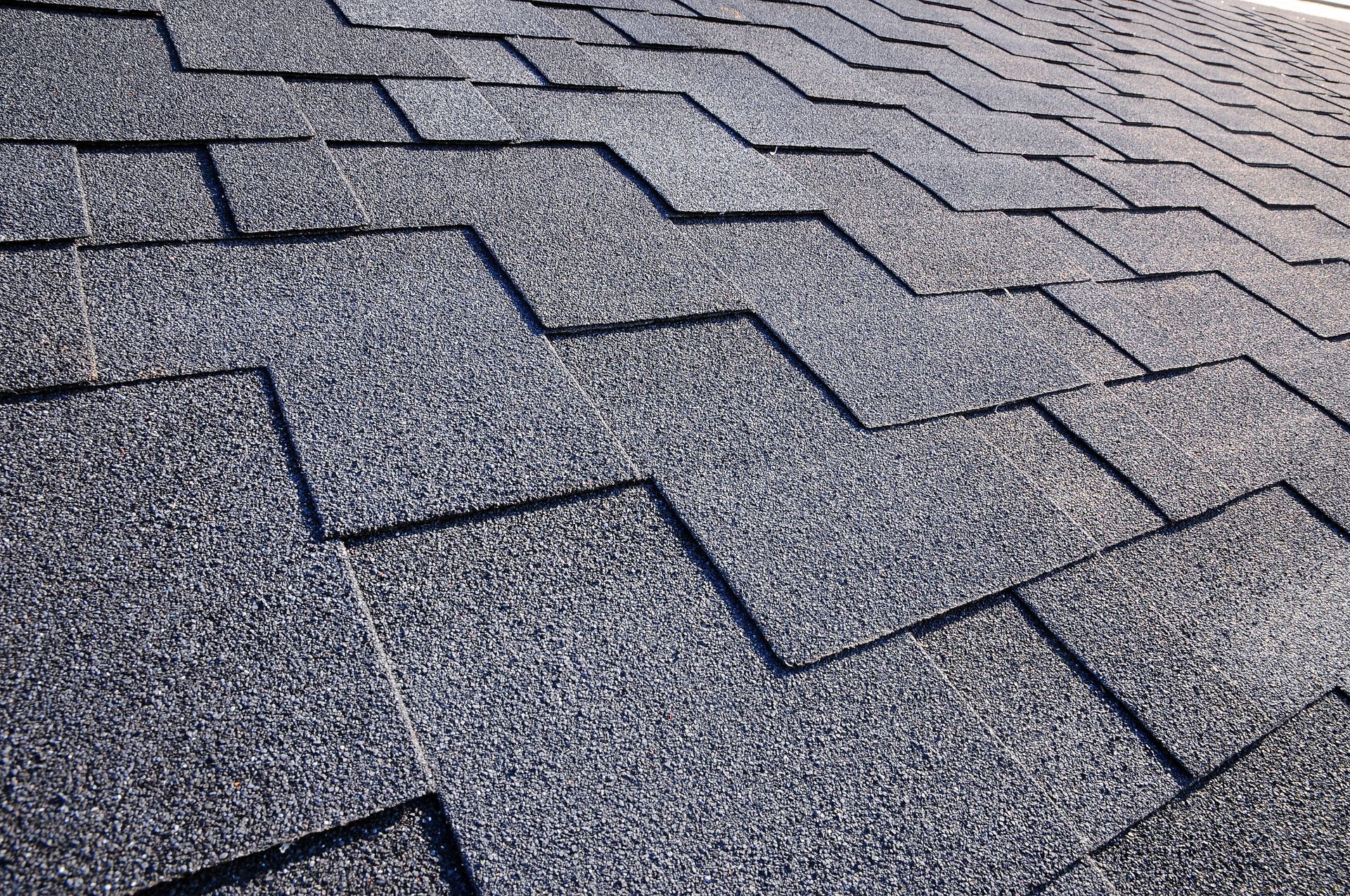
Commercial roofing predominantly features materials such as TPO, EPDM, PVC, and metal, each with its pros and cons. TPO is popular for its energy efficiency and cost-effectiveness, while EPDM is appreciated for its durability and resistance to various weather conditions. PVC offers excellent fire resistance and is highly durable, although it tends to be more expensive. Meanwhile, metal roofs are renowned for their longevity and can last over 50 years if properly maintained. According to ZipDo, approximately 75% of commercial roofs in the U.S. are constructed with asphalt shingles, with flat roofs making up about 85% of commercial buildings in urban areas, illustrating the variety of materials used across various settings.
Environmental Considerations
The environmental impact of roofing materials is a critical factor in today's eco-conscious design strategies. Sustainable options, like TPO and metal, reduce the urban heat island effect and improve energy efficiency by reflecting sunlight and reducing cooling costs. Additionally, cool roofing materials can significantly cut down on energy bills and mitigate the environmental footprint. When selecting materials, it's vital to consider their recyclability, energy efficiency, and long-term environmental impact. Investing in greener materials might lead to higher upfront costs but offer substantial long-term benefits and contribute positively to environmental sustainability.
Cost Implications of Material Choice
Different roofing materials come with varied cost implications that influence both initial investment and ongoing expenses. While some materials like EPDM are initially more affordable, others like PVC may offer cost savings through lower maintenance needs and energy efficiency. It's imperative to conduct a cost-benefit analysis to understand the short and long-term financial implications of each material choice. Choosing the right material based on the building's specific needs ensures an optimal balance between cost and performance. Additionally, it is vital to factor in potential savings from extended lifespans and reduced utility costs when evaluating overall expenses.
The Installation Process
Pre-Installation Assessment
Before any installation begins, conducting thorough assessments and inspections of the existing roof structure is essential. This pre-installation stage identifies potential issues that could impact the new roofing system's performance, such as structural weaknesses or water damage. Engaging qualified professionals to perform these assessments ensures an accurate evaluation of the roof's condition and necessary preparatory work. Comprehensive assessments also help in selecting suitable materials and techniques for the installation process. Preparing adequately fosters a smoother installation and sets the foundation for a successful roofing project.
Professional vs. DIY Installation
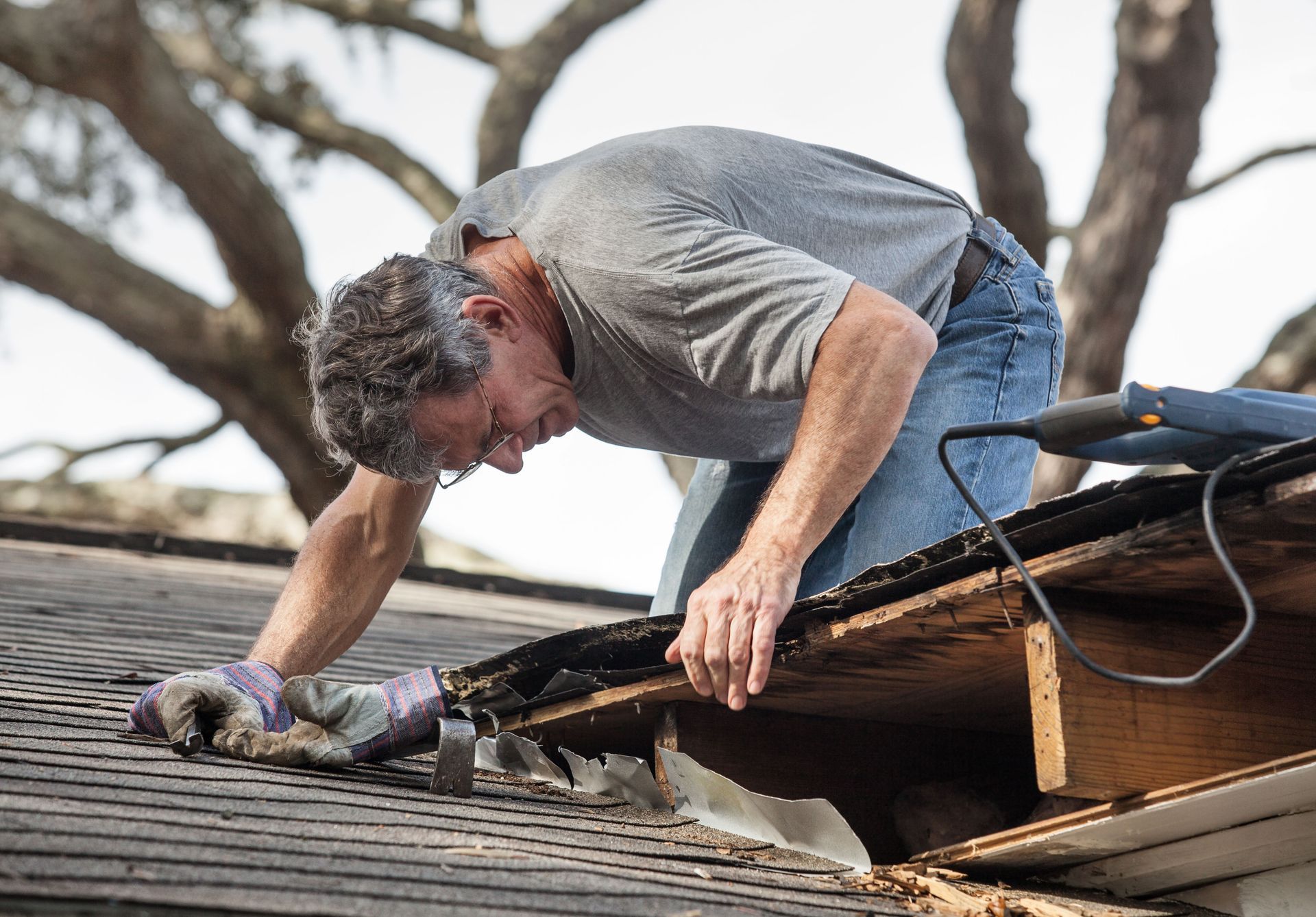
Choosing between professional and DIY installation is a crucial decision that often impacts the project's outcome. Professional roofers bring expertise and experience, ensuring the installation adheres to industry standards and regulations. On the other hand, a DIY approach may be cost-effective but often lacks precision and quality assurance. Errors during installation can lead to costly repairs and compromise the roof's longevity. Ultimately, while a DIY approach might seem appealing for minor repairs, significant roofing projects should prioritize professional installation to ensure durability and compliance with safety standards.
Installation Timeline Expectations
The installation timeline for commercial roofing projects can vary significantly based on factors like material choice, building size, and weather conditions. On average, completing a commercial roofing project can range from a few days to several weeks. Understanding this timeline is essential for businesses to plan accordingly and minimize disruptions to operations. Clear communication with the roofing contractor about the expected timeline and potential delays is crucial for setting realistic expectations. Being well-informed about the project timeline helps manage day-to-day operations and ensures the necessary adjustments are made to accommodate the roofing work.
Common Challenges During Installation
Commercial roofing installations can face several challenges that may impact the project's progress. Weather conditions, technical difficulties, and unanticipated structural issues are common obstacles encountered during installation. Proper planning and contingency strategies can mitigate these challenges, ensuring a smoother installation process. Awareness of these potential problems allows building owners and managers to prepare adequately and collaborate effectively with contractors. The key to overcoming installation hurdles is proactive communication and strategic problem-solving, ensuring the project stays on track.
Maintenance and Upkeep of Commercial Roofing
Routine Maintenance Practices
Regular maintenance practices are vital in extending the lifespan of commercial roofing. Scheduled inspections identify potential issues like minor leaks or membrane wear, allowing prompt repairs before they escalate. Regular cleaning to remove debris and check drainage systems ensures optimal roof performance and prevents water damage. Developing a maintenance schedule that aligns with the roofing material's specific requirements helps maintain structural integrity. Prioritizing routine maintenance protects the investment and ensures continued safety and energy efficiency throughout the roof's lifespan.
Identifying Signs of Wear and Tear
It's crucial to identify signs of wear and tear to address potential problems promptly and prevent costly repairs. Common indicators include visible damage such as cracking, blistering, or excessive granule loss, particularly in asphalt roofs. Additionally, pooling water on flat roofs and increased energy bills signal underlying issues. Understanding these signs allows building owners to act swiftly, engaging professionals to diagnose and rectify any damage. Early detection and timely repairs are pivotal in maintaining the roof's performance and avoiding extensive damage.
Seasonal Maintenance Tips
Seasonal maintenance practices are essential to keep commercial roofs in optimal condition year-round. In fall, cleaning gutters and ensuring drainage systems are free of debris prevents water damage during winter. Winter maintenance includes inspecting insulation to enhance energy efficiency and prevent ice dam formation. In spring and summer, inspecting for any damage caused by harsh winter conditions and ensuring ventilation systems operate effectively is essential. Adapting maintenance strategies according to seasonal requirements prolongs the roof's life and maintains structural integrity.
When to Call a Professional for Repairs
Knowing when to call a professional for repairs is crucial in mitigating potential roofing problems. When minor leaks or visible damage remain unresolved, they can lead to more severe structural issues and compromise safety. Professionals possess the expertise to accurately diagnose and address roofing issues, ensuring repairs adhere to safety regulations and extend the roof's lifespan. For issues beyond basic maintenance tasks, enlisting professional services guarantees quality repairs and industry-standard workmanship. Trusting professionals with complex repairs ensures the roofing system remains durable and safe for its intended lifespan.
Understanding commercial roofing materials, installation processes, and maintenance requirements equips building owners with the knowledge to make informed decisions. Prioritizing material selection impacts cost, efficiency, and environmental sustainability, ensuring enduring solutions that align with the building's needs. Emphasizing quality installation and comprehensive maintenance promotes the roof's longevity, mitigating potential risks and enhancing performance. Acknowledging evolving trends and managing regulatory commitments integrate innovative, compliant, and future-ready roofing systems. The insights in this guide offer valuable perspectives for successful and sustainable commercial roofing projects, advocating informed decision-making to achieve desirable outcomes. Reach out to CSM Heating Cooling Roofing & Solar today to see how we can help you!