Your roof does more than complete your home’s appearance—it protects everything beneath it. When issues start to surface, delaying action can lead to structural damage, rising energy costs, and interior problems that are far more expensive to fix. For homeowners evaluating the condition of their residential roofing, recognizing early warning signs is critical to making informed, cost-effective decisions.
According to industry guidance often cited by trusted home improvement sources, including This Old House, a roof may need replacement when clear indicators such as aging materials, widespread damage, structural sagging, or declining energy efficiency become apparent. Understanding these signals helps you act before minor wear escalates into major repairs. Below, we break down the most common categories of warning signs indicating the need for a full roof replacement.
1. Visible Damage
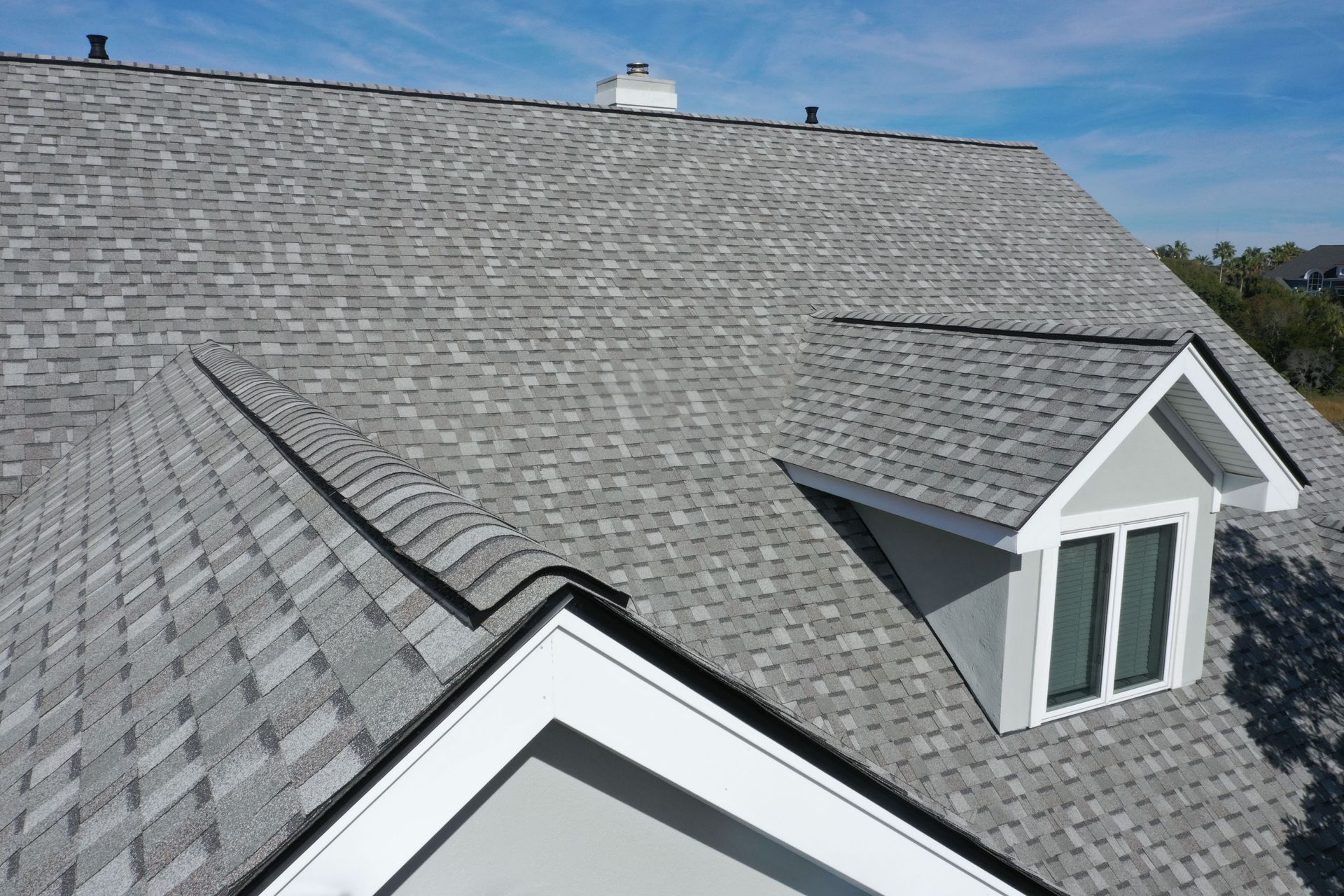
One of the most straightforward indicators of roof failure is damage you can actually see. Missing shingles, cracked tiles, curling edges, and granule loss are all signs that your residential roofing materials are deteriorating beyond simple repair. If these issues appear across large sections rather than isolated spots, patchwork fixes are unlikely to provide long-term protection.
In many cases, visible damage also includes algae streaks, moss growth, or dark patches that indicate trapped moisture. While these may seem cosmetic, they often signal deeper issues with water retention and material breakdown. When these problems persist, your residential roofing system may no longer be capable of shedding water effectively, which is its primary function.
Storm damage is another critical factor. High winds, hail, and heavy debris can compromise structural integrity in ways that are not always immediately obvious. Even if your roof appears intact from the ground, underlying layers may be weakened. A professional inspection can confirm whether repairs are sufficient or if replacement is the more reliable solution.
2. Structural Concerns
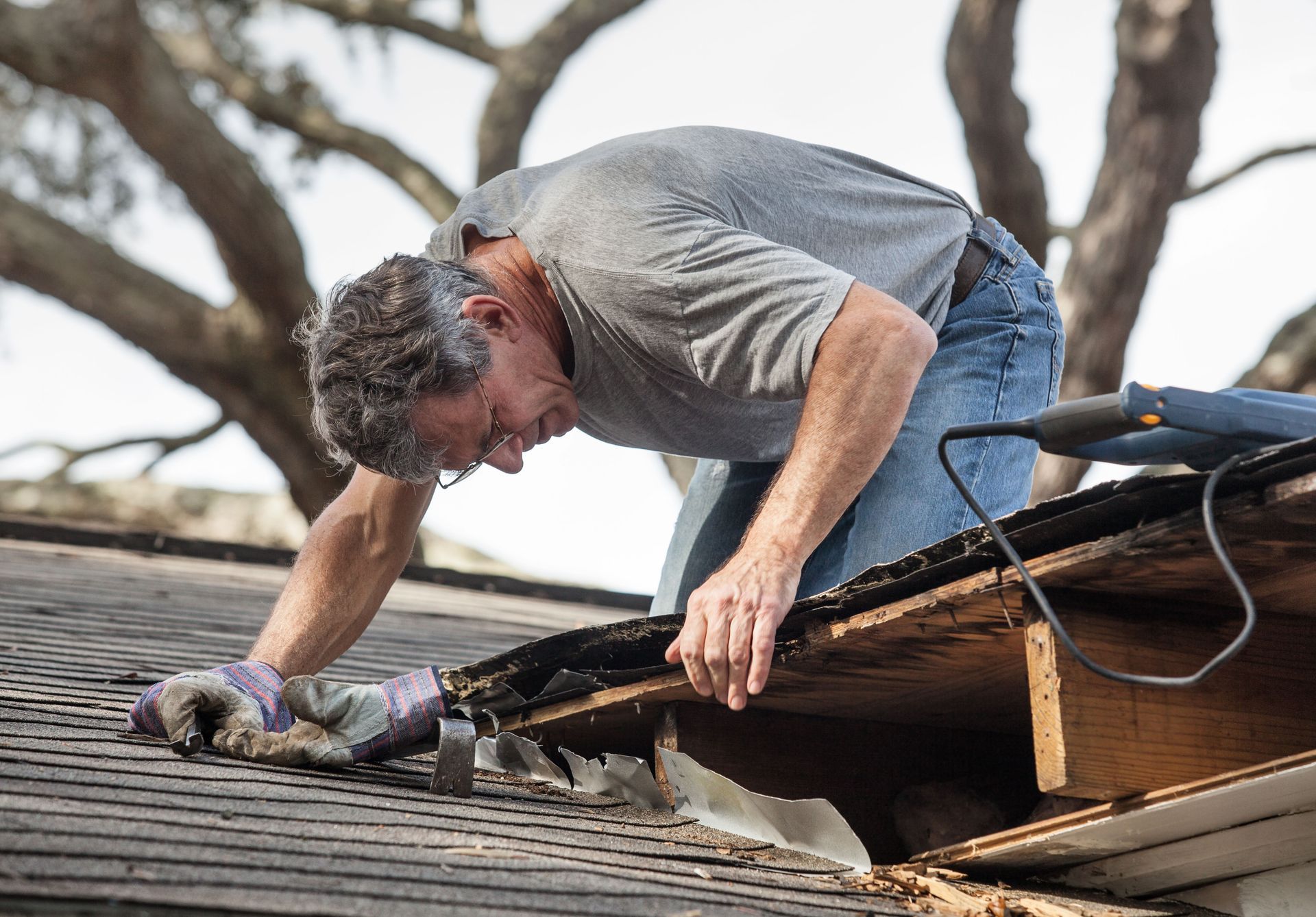
Beyond surface-level damage, structural issues are a serious red flag. A sagging roofline, uneven ridges, or dips in the decking typically point to compromised support systems beneath the shingles. These problems often stem from prolonged moisture exposure, rotting wood, or inadequate ventilation.
When structural concerns develop, they rarely remain isolated. Water infiltration can spread through insulation, weaken framing, and eventually affect ceilings and walls inside your home. At this stage, continuing to rely on aging residential roofing becomes a liability rather than an asset.
Another important consideration is load-bearing capacity. Older roofs may not meet modern standards, especially if you are considering upgrades like solar panel installations. Since companies like CSM Heating Cooling Roofing & Solar offer integrated solutions—including roofing and solar—ensuring your roof structure is sound is essential before adding new systems.
Ignoring structural warning signs can lead to safety hazards. If your roof shows signs of sagging or instability, it’s not just a maintenance issue—it’s a potential risk to occupants. Replacement is often the most practical and safest course of action.
3. Interior Warning Signs
Roof problems don’t always start outside. In many cases, the first clues appear inside your home. Water stains on ceilings, peeling paint, bubbling drywall, or unexplained mold growth can all indicate a failing roof system. These symptoms often mean that water has already penetrated your roofing layers and is affecting interior spaces.
Another overlooked indicator is inconsistent indoor temperature. If certain rooms are harder to keep cool in summer or warm in winter, your roof may be contributing to poor insulation performance. Compromised residential roofing can allow conditioned air to escape, forcing your HVAC system to work harder and increasing energy costs.
Attic conditions also provide valuable insight. Excess moisture, poor ventilation, or visible daylight coming through the roof boards are clear signs that your roof is no longer functioning properly. Addressing these issues early can prevent damage to insulation and reduce strain on your heating and cooling systems.
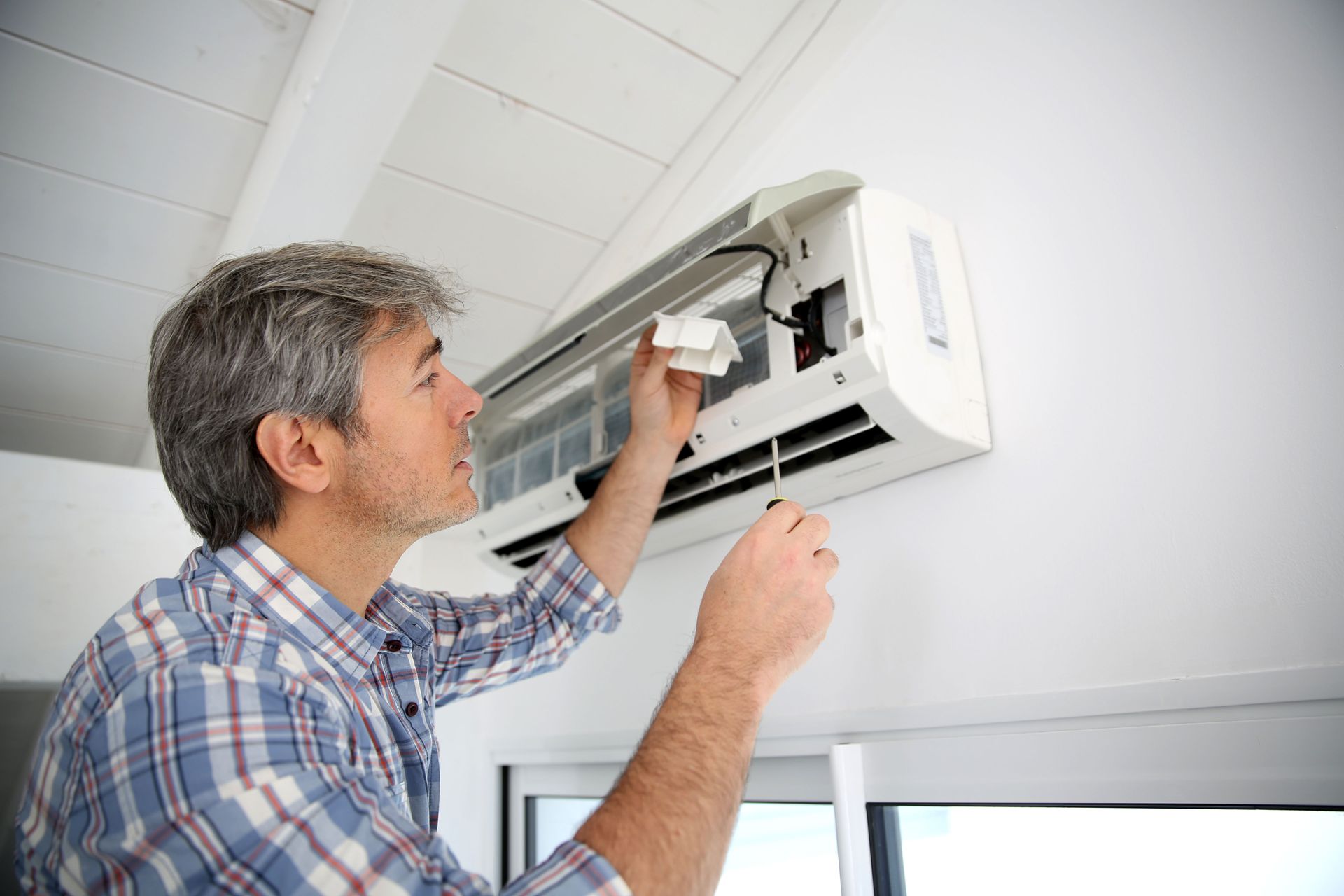
Since CSM also specializes in HVAC services—including ductless mini-splits, smart thermostats, and full system maintenance—addressing roofing inefficiencies can directly improve overall home comfort. A failing roof and an overworked HVAC system often go hand in hand.
4. Age and Efficiency
Even if your roof appears to be in decent condition, age alone can be a determining factor. Most roofing materials have a defined lifespan—typically 20 to 30 years for asphalt shingles, though this can vary depending on climate and maintenance. Once your roof approaches or exceeds this range, the likelihood of failure increases significantly.
Older roofs are also less energy-efficient. Advances in roofing materials have led to improved insulation, better reflectivity, and enhanced durability. Replacing outdated residential roofing can result in noticeable energy savings, especially when paired with modern HVAC systems and solar solutions.
Energy efficiency is becoming an increasingly important consideration for homeowners. A new roof can improve ventilation, reduce heat absorption, and create a more stable indoor environment. When combined with services like solar panel installation and smart thermostat integration, the benefits extend beyond protection to long-term cost savings.
If your energy bills have been steadily increasing without a clear explanation, your roof may be part of the problem. Upgrading to a newer system can help restore efficiency and reduce strain on your home’s overall infrastructure
5. Performance Decline
Not all roofing issues are immediately visible or structural—some reveal themselves through gradual performance decline. If your roof is no longer effectively regulating temperature, resisting moisture, or supporting overall home efficiency, it may be nearing the end of its functional lifespan. Homeowners often notice this through rising utility bills, increased HVAC runtime, or a general decline in indoor comfort.
When residential roofing begins to fail at a systems level, it places added strain on other components of your home. For example, your air conditioning system may run longer to compensate for heat infiltration, while your heating system works harder to maintain warmth during colder months. Over time, this increased demand can accelerate wear on HVAC equipment, leading to more frequent repairs or premature replacement.
Ventilation issues are another key contributor to performance decline. A roof that no longer supports proper airflow can trap heat and moisture in the attic, creating a cascade of problems—from mold growth to insulation damage. These conditions not only affect your roof but also compromise indoor air quality and energy efficiency.
If you’re already investing in services like AC upgrades, furnace maintenance, or even solar panel installation, it makes little sense to overlook the condition of your roof. A high-performing home depends on all systems working together. When your roof can no longer keep up, replacing it becomes a strategic move that improves comfort, reduces operational costs, and protects your long-term investment.
Recognizing the signs of a failing roof allows you to act before small issues escalate into major expenses. Whether it’s visible damage, structural instability, interior warning signs, or simply the age of your system, each factor plays a role in determining when replacement is the smarter investment. Addressing these concerns proactively ensures your home remains protected, efficient, and comfortable.
A well-timed upgrade to your
residential roofing not only safeguards your property but also enhances energy performance—especially when paired with modern HVAC and solar solutions. Working with a provider that understands the full scope of home systems ensures a more cohesive and effective outcome.
If you’re noticing any of these warning signs, now is the time to act. Contact CSM Heating Cooling Roofing & Solar for a comprehensive evaluation and expert guidance tailored to your home’s needs. Invest in a solution that protects your home today while improving efficiency for years to come.