April 10, 2026
Moving into a new home is exciting, but it also comes with important responsibilities—especially when it comes to maintaining your HVAC system. Proper care and routine checks can help you avoid unexpected breakdowns and expensive repairs. This HVAC checklist will guide new homeowners in protecting their investment and ensuring year-round comfort.
Inspecting Your HVAC System Thoroughly
One of the first steps after moving in is conducting a full inspection of your HVAC system. Even if the previous owner maintained the system well, it is essential to verify its current condition. Start by checking the age of the unit, as most systems have a lifespan of 10 to 15 years.
Look for visible signs of wear and tear, such as rust, corrosion, or damaged components. Pay attention to unusual noises or odors when the system is running, as these can indicate underlying issues. It is also a good idea to review any maintenance records left behind to understand the system’s history.
Scheduling a professional HVAC service early on can provide a more in-depth evaluation. An expert can identify hidden problems and recommend necessary repairs before they escalate into costly issues.
Replacing Air Filters Regularly
Air filters play a crucial role in maintaining indoor air quality and system efficiency. Dirty or clogged filters restrict airflow, forcing your HVAC system to work harder and consume more energy. This can lead to higher utility bills and increased wear on the system.
New homeowners should replace air filters every one to three months, depending on usage and household conditions. Homes with pets or allergy sufferers may require more frequent changes.
Keeping up with this simple task can significantly extend the life of your system. During routine heating service visits, technicians often check and replace filters, ensuring optimal performance and efficiency.
Cleaning Air Vents And Ductwork
Dust and debris can accumulate in your home’s air vents and ductwork over time, affecting both air quality and system performance. Blocked vents can reduce airflow, making it harder for your HVAC system to maintain a consistent temperature.
Inspect all vents to ensure they are open and unobstructed by furniture or other items. Vacuuming vent covers and scheduling periodic duct cleaning can help remove buildup and improve airflow.
Professional heating service providers can assess whether your ductwork needs cleaning or sealing. Addressing these issues early can prevent uneven heating and cooling throughout your home.
Checking Thermostat Functionality
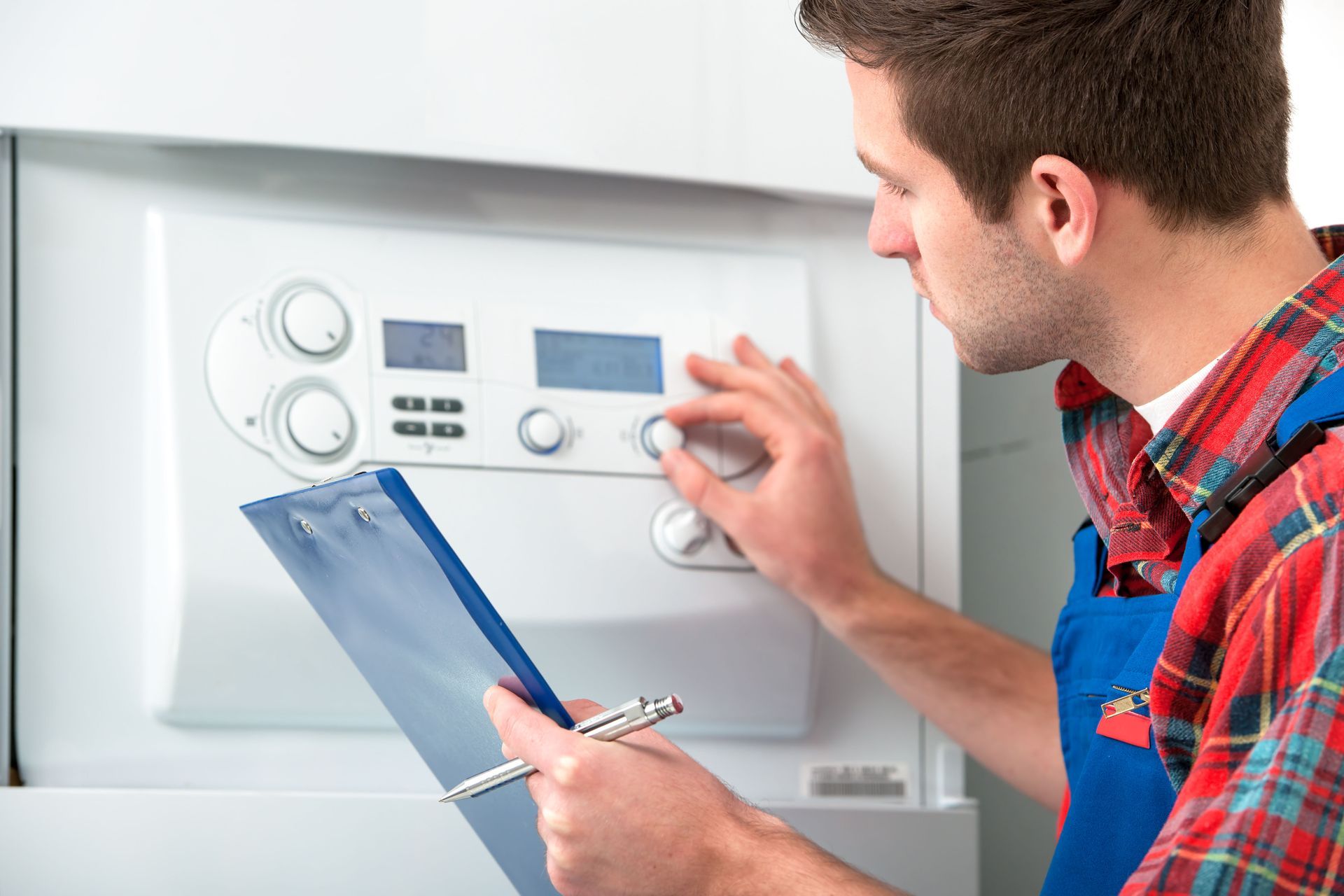
Your thermostat is the control center of your HVAC system, and its proper function is essential for maintaining comfort and efficiency. Test the thermostat to ensure it accurately reflects the indoor temperature and responds correctly to adjustments.
Consider upgrading to a programmable or smart thermostat if your home does not already have one. These devices allow you to set schedules and optimize energy usage based on your daily routine.
According to Workyard, 61% of new home buyers consider energy efficiency one of their top three priorities when choosing a home. A modern thermostat can help meet this priority by reducing energy waste and improving overall system performance.
During a routine HVAC service, technicians can calibrate your thermostat and ensure it is working in sync with your HVAC system.
Inspecting Electrical Connections And Components
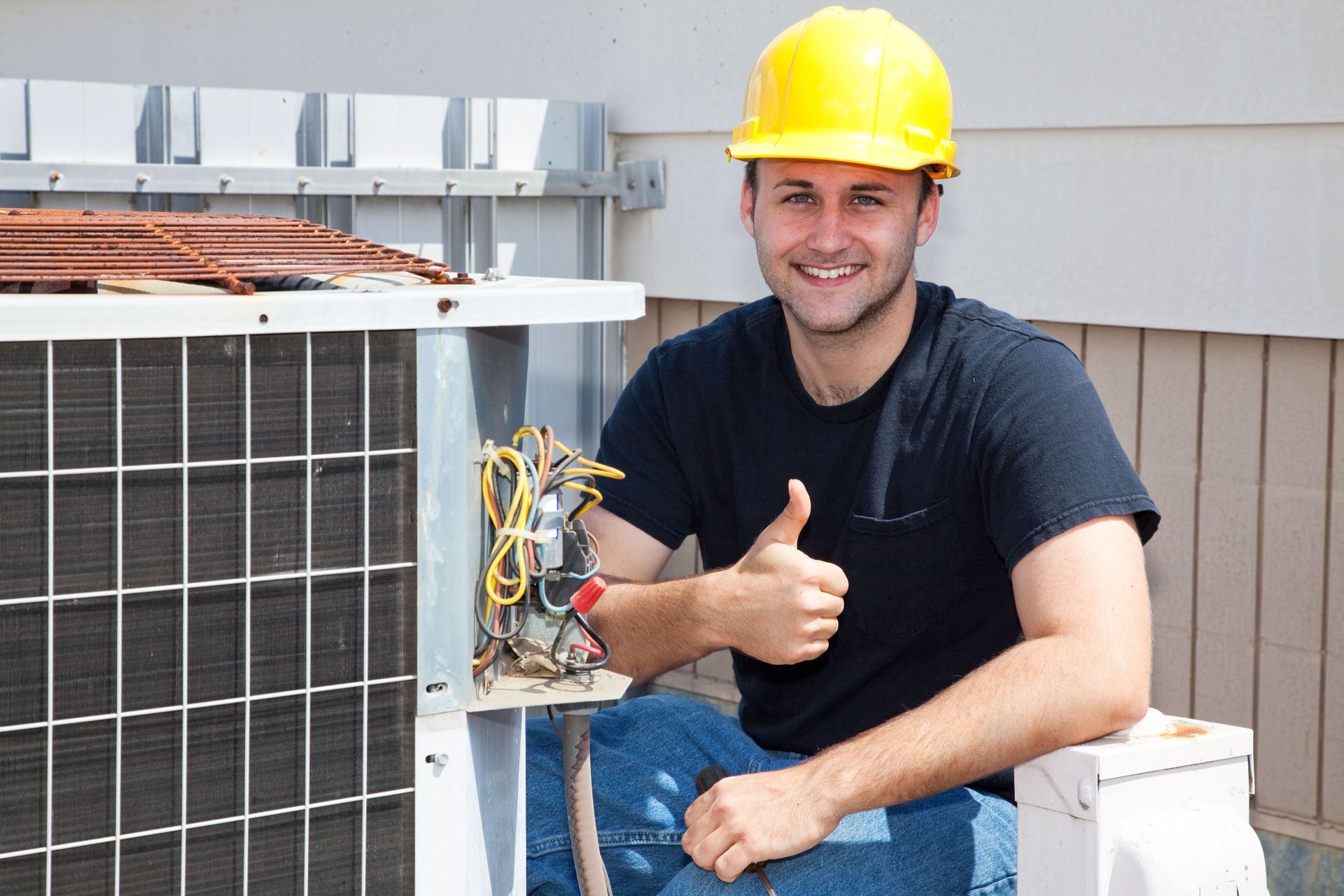
Electrical issues can pose serious risks to both your HVAC system and your home. Loose or damaged wiring can lead to system malfunctions or even safety hazards. Carefully inspect visible electrical connections for signs of wear or corrosion.
If you notice flickering lights, tripped breakers, or inconsistent system operation, it may indicate an electrical problem within your HVAC system. These issues should be addressed immediately by a qualified professional.
Regular heating service appointments include checking electrical components to ensure they are secure and functioning properly. This preventive measure helps reduce the risk of unexpected breakdowns and costly repairs.
Monitoring Refrigerant Levels And Performance
Refrigerant is essential for cooling your home effectively. Low refrigerant levels can reduce system efficiency and lead to higher energy costs. It may also indicate a leak, which requires prompt attention.
Signs of refrigerant issues include reduced cooling capacity, ice buildup on coils, and unusual hissing sounds. If you notice any of these symptoms, contact a professional for inspection and repair.
While refrigerant concerns are more common in cooling systems, comprehensive heating service visits often include evaluating overall system performance, ensuring all components are functioning as expected.
Scheduling Routine Professional Maintenance
Routine maintenance is one of the most effective ways to prevent costly HVAC repairs. Professional technicians can identify and address minor issues before they become major problems. Scheduling maintenance at least once or twice a year is recommended.
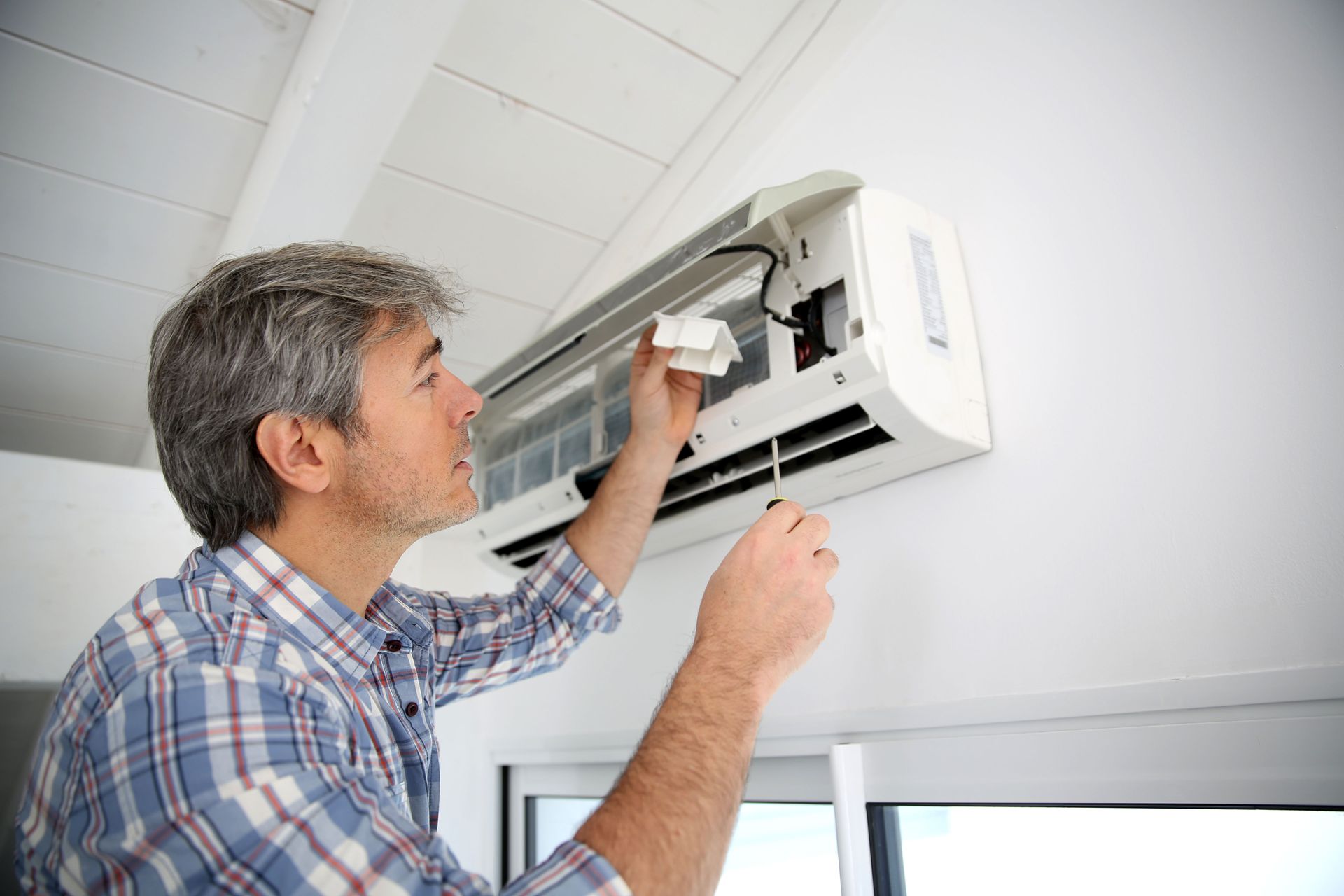
During these visits, technicians typically inspect components, clean parts, check system performance, and make necessary adjustments. Regular HVAC service ensures that your system operates efficiently and reliably throughout the year.
Establishing a maintenance schedule early as a homeowner helps you stay on top of system care. It also provides documentation of upkeep, which can be beneficial if you decide to sell your home in the future.
Sealing And Insulating Your Home Properly
Even the most efficient HVAC system cannot perform well if your home is not properly sealed and insulated. Air leaks around windows, doors, and ductwork can cause significant energy loss, forcing your system to work harder.
Inspect your home for drafts and seal any gaps with weatherstripping or caulk. Adding insulation to attics and walls can further improve energy efficiency and indoor comfort.
Professional heating service providers can offer recommendations for improving your home’s insulation and sealing. These upgrades not only enhance comfort but also reduce strain on your HVAC system.
Keeping Outdoor Units Clear And Maintained
Outdoor HVAC units require regular attention to function properly. Debris such as leaves, dirt, and grass can accumulate around the unit, restricting airflow and reducing efficiency. Neglecting this buildup can cause the system to work harder, increasing energy consumption and potentially leading to premature wear of critical components like the compressor and fan motors.
Ensure that there is at least two feet of clearance around the unit for proper ventilation. Periodically clean the exterior and remove any obstructions, including overgrown plants, weeds, or debris from nearby landscaping. This simple step can significantly improve airflow and system performance.
During HVAC service visits, technicians often inspect outdoor components to ensure they are in good condition, checking for signs of rust, damage, or mechanical wear.
Understanding Warning Signs Early
Recognizing early warning signs of HVAC problems can save you from costly repairs down the line. Common indicators include unusual noises, inconsistent temperatures, increased energy bills, and frequent cycling of the system.
If you notice any of these issues, do not ignore them. Prompt action can prevent minor problems from escalating into major repairs or system failure.
Having a trusted HVAC service provider to call when issues arise ensures that problems are addressed quickly and professionally. Building this relationship early can give you peace of mind as a homeowner.
Maintaining your HVAC system as a new homeowner does not have to be overwhelming when you follow a clear and consistent checklist. From regular inspections to professional maintenance, these steps help ensure reliable performance and long-term savings. By staying proactive and scheduling routine heating service, you can avoid costly repairs and enjoy a comfortable home year-round. If you are looking for reliable HVAC service, contact CSM Heating Cooling Roofing & Solar today to learn more and get started!